Why should I order one commercial freeze dryer?
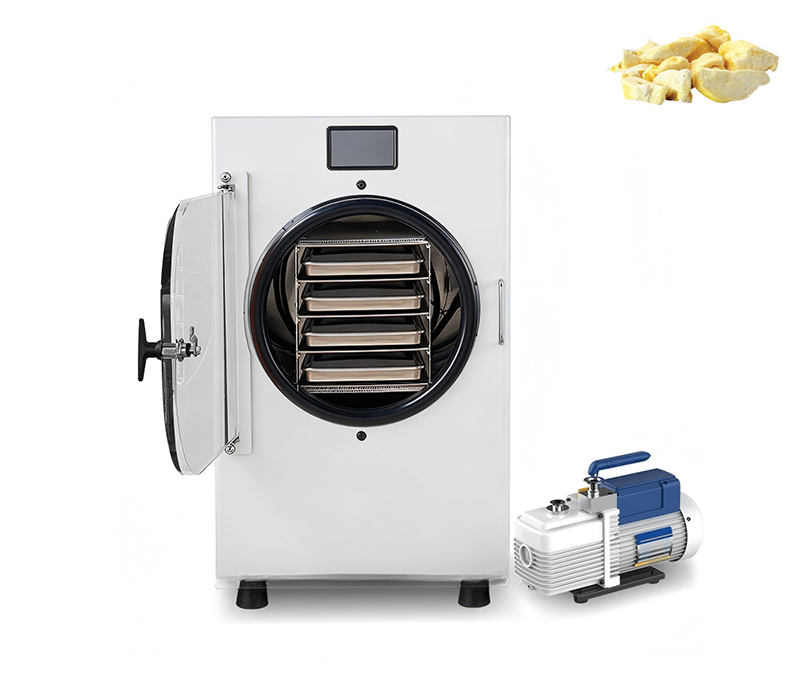
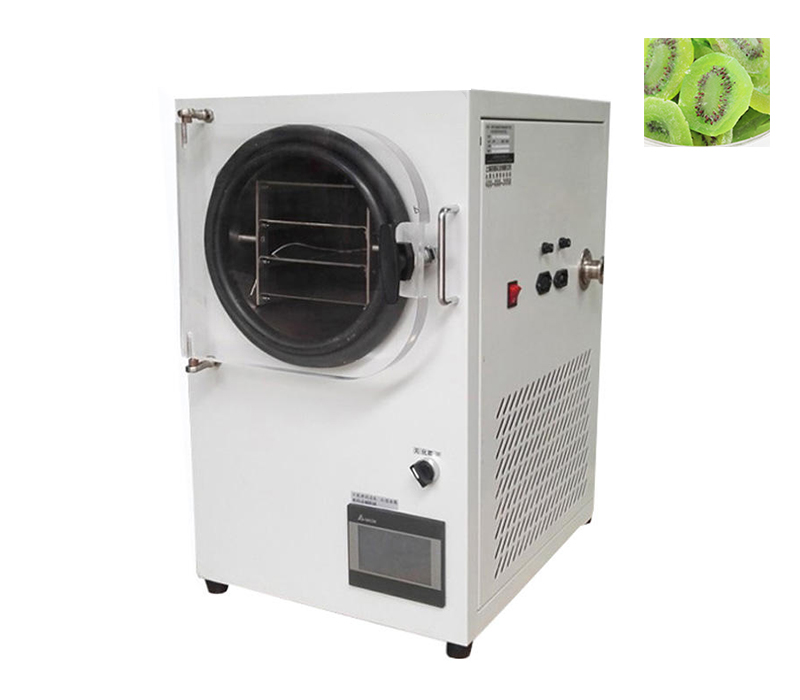
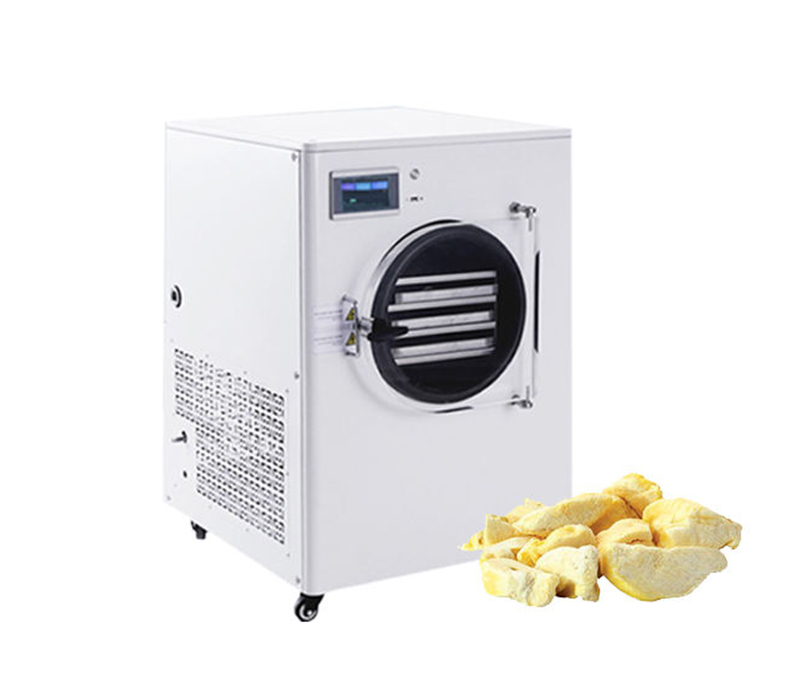
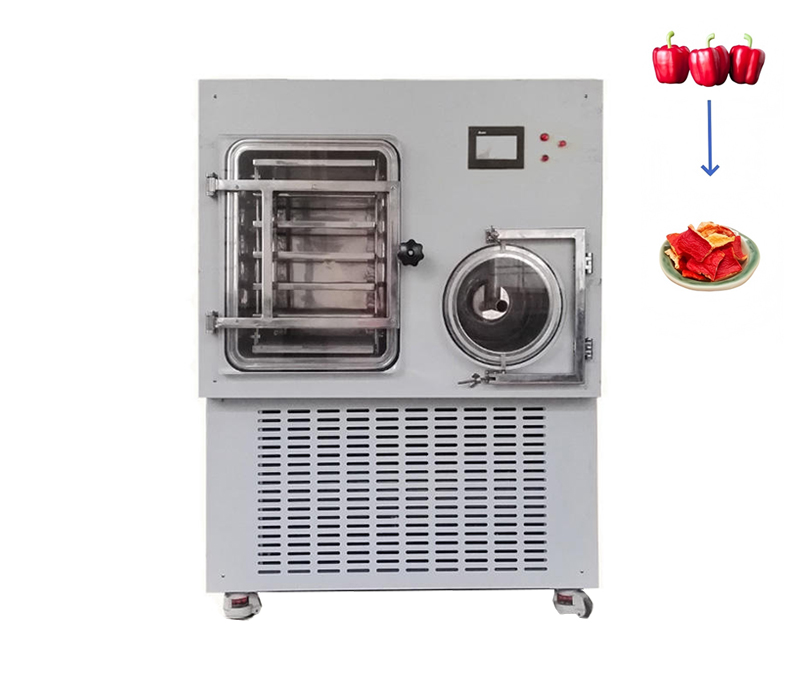
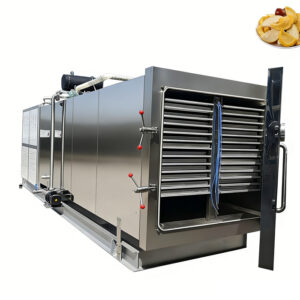
Investing in a mini commercial vacuum freeze dryer is a strategic decision that combines advanced technology, ease of operation, and comprehensive safety features to deliver consistent, high-quality freeze-drying results. Equipped with a top-tier control system featuring Taiwan Weintek PLC, Honeywell solid-state relays, Chint Electric, Xi’an Electric, and Far East Cable, this machine guarantees stable and reliable performance. Its user-friendly touchscreen interface allows operators to start, stop, and monitor the process effortlessly, saving time and reducing the need for specialized training. The system provides real-time temperature and pressure data, along with detailed historical records, which can be visualized as graphs or tables for in-depth analysis. Adjustable data acquisition times and multi-segment PID control ensure precise temperature regulation across multiple points, preventing fluctuations and ensuring optimal drying conditions. Moreover, robust protection mechanisms continually monitor critical points, immediately alerting operators to any alarms with detailed cause descriptions—ensuring safety, reducing downtime, and protecting your investment.
Choosing a vacuum freeze dryer is a wise investment for producing high-quality, shelf-stable foods that meet the evolving demands of modern consumers seeking convenience without sacrificing nutrition or flavor. The freeze-drying process preserves the authentic texture, appearance, aroma, and nutritional content of foods—especially vital active ingredients—making it ideal for functional foods, health supplements, and gourmet products. Unlike traditional drying methods, freeze-drying prevents cracking, shrinkage, or surface hardening, resulting in a porous, sponge-like structure that rehydrates rapidly and uniformly. This feature enhances consumer satisfaction and expands market opportunities in ready-to-eat meals, snacks, and instant foods, where quality and convenience are key. Additionally, freeze-dried products are lightweight, durable, and can be stored at room temperature for up to two years when properly packaged in vacuum with nitrogen, significantly reducing logistics, storage, and transportation costs. Although the initial investment may seem high, the long-term benefits—superior product quality, increased market value, and access to premium international markets where freeze-dried foods command prices 4-6 times higher than dried or frozen alternatives—make it a profitable, future-proof choice.
How to choose the right commercial freeze dryer for my business?
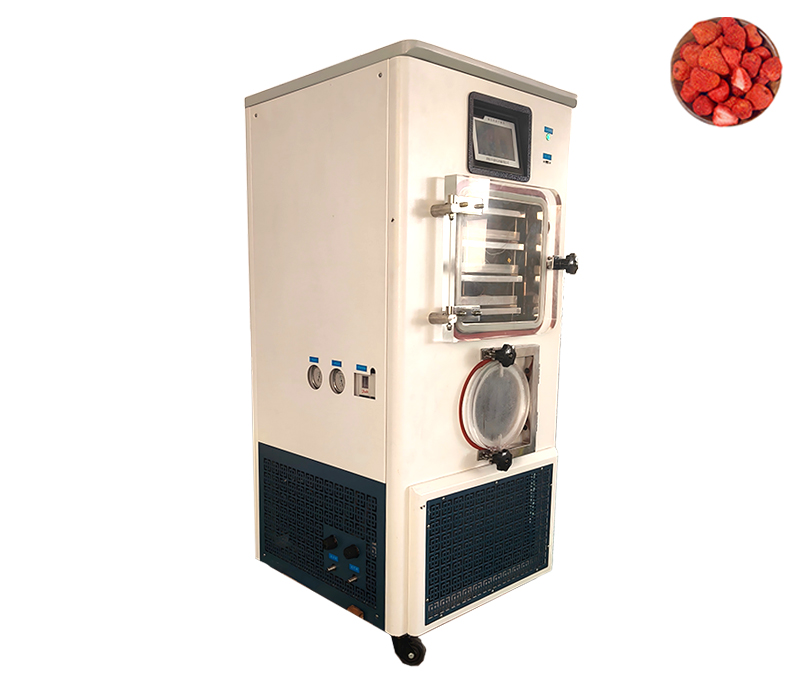
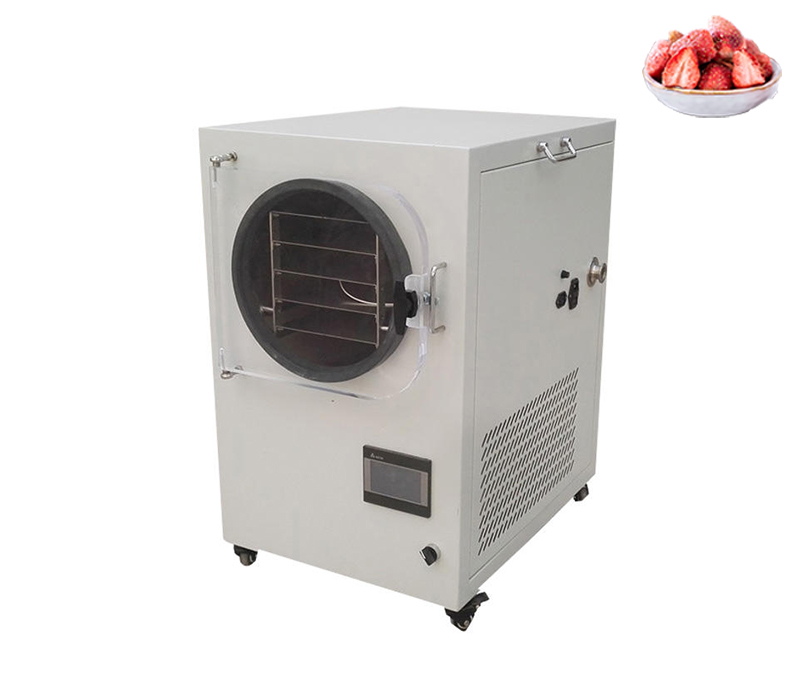
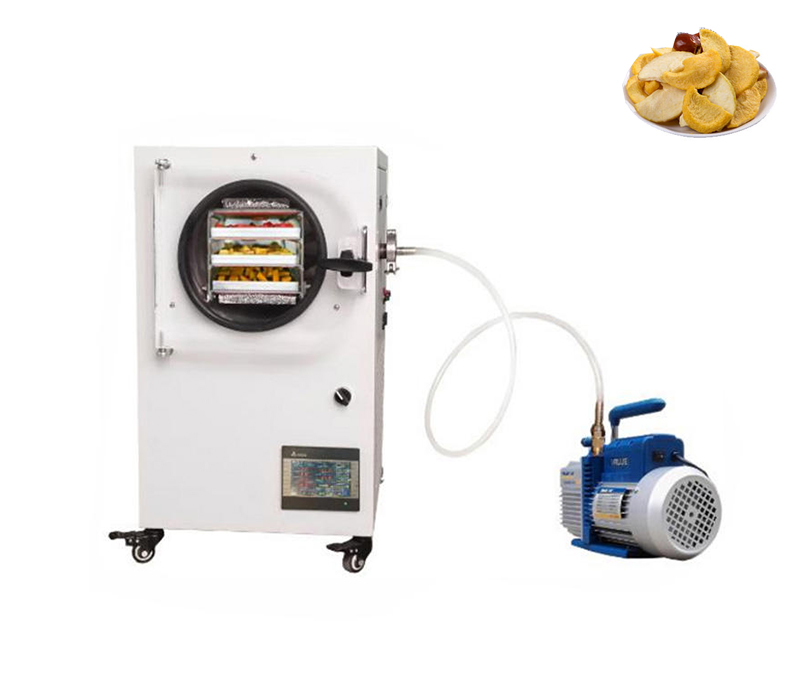
Choosing the appropriate freeze dryer model depends on your production scale, material characteristics, energy requirements, and long-term operational goals. Our range includes small models suitable for laboratory research and pilot testing, medium models for small to medium-sized production, and large models designed for high-capacity industrial manufacturing.
1. Core Capacity and Processing Scale:
Small-scale (5–30 sq m):
- VFD-S5M: Drying area 5 sq m, approximately 50 kg load — ideal for R&D and pilot testing.
- VFD-S10M: 10 sq m, approx. 100 kg — suitable for small pilot production.
- VFD-S20M: 20 sq m, approx. 200 kg — transitioning from pilot to small-scale mass production.
- VFD-S30M: 30 sq m, approx. 300 kg — suitable for initial small batch mass production.
Large-scale industrial (60–240 sq m):
- VFD-M60M: 62.4 sq m, capacity 600–800 kg — for small to medium factories.
- VFD-M120M: 124.7 sq m, approx. 1800 kg — medium factories’ mass production.
- VFD-L200M: 218 sq m, approx. 3000 kg — for large-scale factories.
- VFD-L240M: 235.6 sq m, approx. 4000 kg — for large-scale industrial use.
2. Matching Heating Power and Energy Consumption:
Small models (5–30 sq m):
- Electric heating with power from 6kW to 36kW, providing low energy consumption and flexible deployment, suitable for R&D and small-batch production.
Large models (60–240 sq m):
- Usually utilize electric or steam heating, with no specific power specification, designed for continuous, high-efficiency operation and adaptable to your factory’s energy setup.
3. Control Methods and Configuration:
All models use PLC + HMI control for ease of operation and precise parameter management.
Small models:
- Vacuum pump is a washing pump with lower power, suitable for less stringent vacuum requirements.
- Wide temperature range: -55℃ to 120℃, with a broad pre-freezing and cold trap temperature range, compatible with various materials.
Large models:
- Use a combined pump unit with a working vacuum ≤130 Pa, ensuring higher drying efficiency.
- Components from Schneider Electric (France) and Siemens (Germany) guarantee stability and continuous operation, suitable for 24-hour production.
- Tank inner diameter is 2.2–2.5 meters, with pure water baffle medium ensuring uniform temperature.
4. How to Select the Model Based on Material and Production Needs:
R&D/Pilot Stage:
- Choose VFD-S5M or S10M for small capacity, high flexibility, and sample testing.
Pilot to Small-Scale Production:
- Use VFD-S20M or S30M, balancing capacity and process validation.
Medium to Large-Scale Production:
- For small/medium factories, VFD-M60M or M120M with capacities of 600–1800 kg are suitable.
- For high-capacity needs, VFD-L200M or L240M can handle 3000–4000 kg per batch, ideal for large factories with no cold chain storage, reducing long-term operating costs.
5. Maintenance and Cost Considerations:
Small models:
- Simpler structure, fewer components, lower maintenance costs, perfect for R&D with limited budgets.
Large models:
- More complex (e.g., integrated pump sets, imported PLCs), higher initial investment but higher dehydration efficiency, longer shelf life (over 5 years at room temperature), and lower long-term reuse and storage costs.
6. General Selection Tips:
- Determine your maximum single-batch loading requirement and narrow your options based on capacity.
- Decide between intermittent small-batch or continuous large-batch production—choose smaller models for flexibility, larger models for high-volume, steady output.
- Consider your energy infrastructure: electric heating offers flexibility and lower initial costs; steam heating provides higher energy efficiency and lower operational costs in the long run.
- This comprehensive guidance helps you select the most suitable freeze dryer model aligned with your production scale, material type, and long-term operational strategy, ensuring optimal performance and cost-effectiveness.
What is the complete process of freeze-drying, and how does each stage ensure product quality?
The freeze-drying process begins with careful pre-treatment of the raw materials, which varies depending on the type of food or product being dried. For vegetables, this includes sorting, washing, cutting, blanching, and then rapidly cooling and draining the materials. For fruits, the focus is on preserving color, so specific techniques are used to prevent discoloration. These pre-treatment steps are crucial because they prepare the raw materials for optimal freezing and drying, helping to maintain their shape, texture, and nutritional qualities throughout the process. Proper pre-treatment ensures a more uniform and efficient freeze-drying process, which ultimately results in higher-quality end products.
Next is the pre-freezing stage, where the materials are cooled to a temperature below their eutectic point using quick-freezing equipment. This rapid freezing process is essential because it forms small, uniform ice crystals that help preserve the structure and quality of the product during drying. The freezing rate is carefully selected based on the material’s size, shape, and properties, directly impacting the final product’s texture and appearance. Proper pre-freezing sets the foundation for effective sublimation, preventing damage like large ice crystals or cellular rupture that could compromise the product’s integrity.
The core of the process is sublimation drying, which takes place in a vacuum environment. During this stage, maintaining the right vacuum level and controlling the sublimation temperature is critical. The temperature must stay below the material’s eutectic point to prevent melting, while increasing heat transfer and reducing vapor resistance can speed up drying. The heat is supplied through a carefully controlled heating plate, with the temperature following a specific freeze-drying curve. This curve is vital because it guides the process, ensuring that heat is applied efficiently without damaging the product. Proper control of these parameters ensures the product remains porous, structurally intact, and retains its flavor, aroma, and nutrients.
Finally, after drying, the freeze-dried products are porous and fragile, requiring careful post-processing. To prevent moisture absorption and damage, the products are typically vacuum-packed or filled with inert gas. This packaging helps maintain the quality and extends the shelf life of the freeze-dried foods. Overall, each stage—from pre-treatment to post-processing—is designed to preserve the product’s quality, appearance, and nutritional value, making freeze-drying an effective method for producing high-quality, shelf-stable foods and products.
How does commercial vacuum freeze dryer work?
The working principle of this vacuum freeze dryer is based on the process of sublimation, where ice within the material transitions directly from a solid to a vapor state under controlled vacuum conditions. First, the material is pretreated and then rapidly frozen in a dedicated quick-freezing chamber, ensuring that the water within the product solidifies uniformly below its triple point temperature. Once frozen, the material is transferred to the drying chamber, where a vacuum is established using a high-efficiency vacuum pump. Under these low-pressure conditions, the refrigeration system maintains the cold trap and drying chamber at low temperatures, preventing condensation and ensuring the sublimation process proceeds efficiently. The heating system provides the necessary latent heat via radiant heating to the material, enabling the ice to sublimate directly into water vapor without passing through the liquid phase. This process preserves the biological activity, shape, and color of the product, resulting in a high-quality dried product.
Throughout the operation, the system employs advanced artificial intelligence controls for precise temperature and pressure regulation, ensuring uniform drying and high product quality. The high-efficiency refrigeration system with multiple cooling points on demand guarantees stable operation and energy savings, while the water trap quickly defrosts and removes residual moisture. The water vapor generated during sublimation is captured by the cold trap, preventing contamination and facilitating continuous operation. The entire process is carefully monitored and controlled to produce products with low residual moisture, full shape, firm structure, and rapid rehydration capabilities.
What are the basic principles of heat and mass transfer in the commercial freeze dryer freeze-drying process?
The fundamental principle of freeze-drying, also known as sublimation drying, is based on the water phase diagram and requires conditions below water’s triple point pressure of 610.5 Pa. Under these low-pressure conditions, ice in the material can directly convert into water vapor without passing through the liquid phase. To achieve this, the freeze-drying equipment must operate at temperatures below the eutectic point of the specific material, which is often lower than the triple point due to the presence of salts, vitamins, and other components. The process involves carefully controlling the freezing temperature, heating temperature, and vacuum level to ensure that sublimation occurs efficiently without melting the ice or damaging the product.
During operation, heat and mass transfer are critical. The heat transfer process involves supplying latent heat to the ice surface to promote sublimation. Initially, this heat is supplied from an external heat source, such as a heating plate, and then transferred internally within the material to reach the ice interface. As sublimation progresses, the temperature of the material drops and reaches a balance point with the vapor partial pressure in the chamber. Simultaneously, water vapor generated from sublimation must be transported from the ice surface to the cold trap. This involves internal mass transfer within the material and external transfer through the chamber, which must be carefully managed to prevent vapor buildup that could halt the process.
To ensure efficient freeze-drying, both heat and mass transfer rates need to be maximized. Increasing the surface area of the material, maintaining proper vacuum levels, and optimizing the temperature conditions are key strategies. If either heat or vapor removal becomes a bottleneck, the drying rate slows significantly. Throughout the process, parameters such as temperature, pressure, and chamber conditions change, and these changes are represented in a freeze-drying curve. Monitoring this curve helps operators understand the process dynamics, ensure the quality of the dried product, and optimize drying conditions for faster, more efficient results.

Leave a Reply