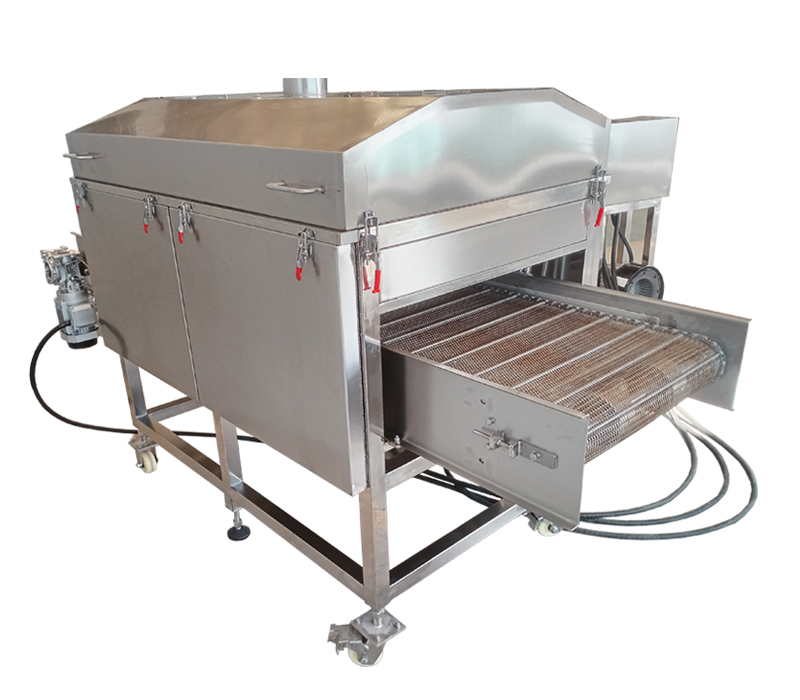
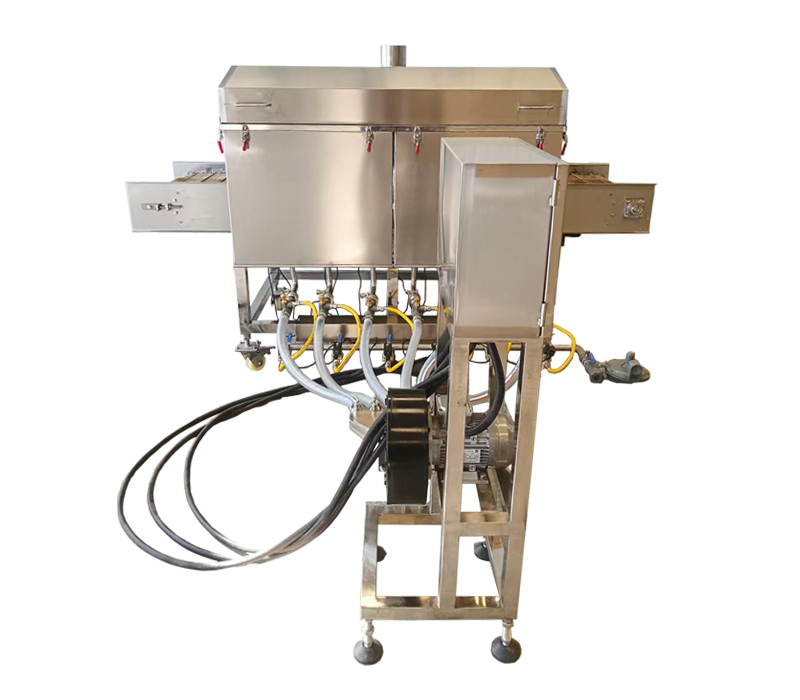
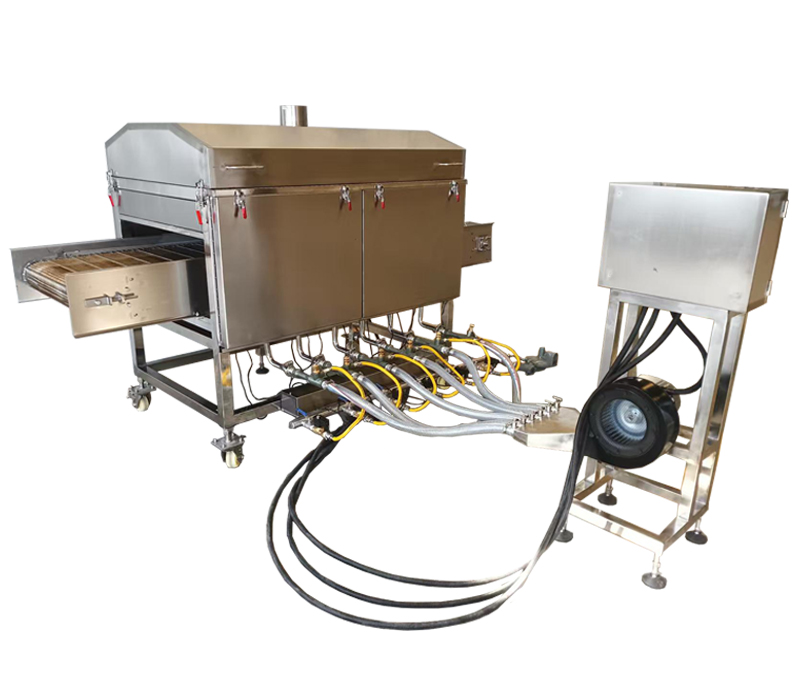
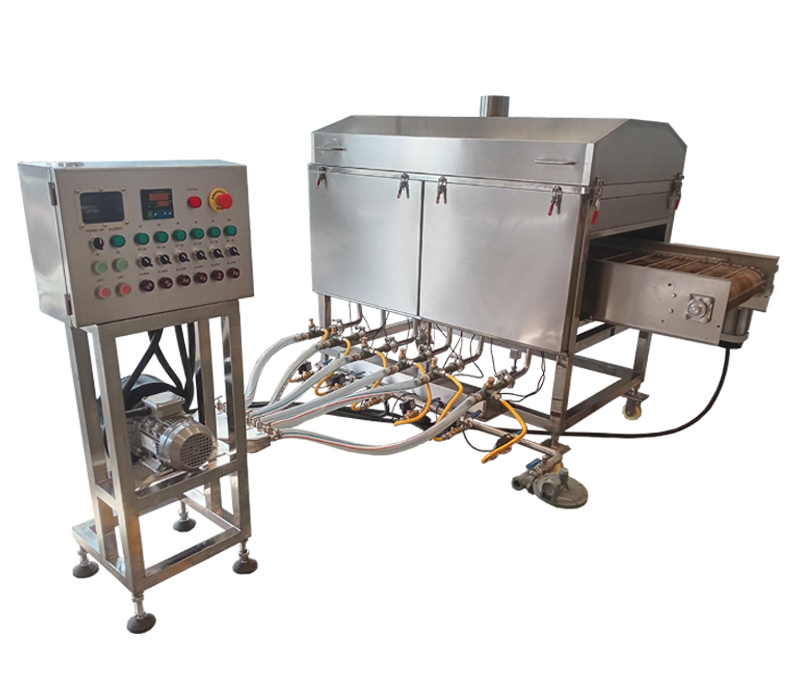
What types of meat and vegetables can the gas vegetable meat burning machine effectively process?
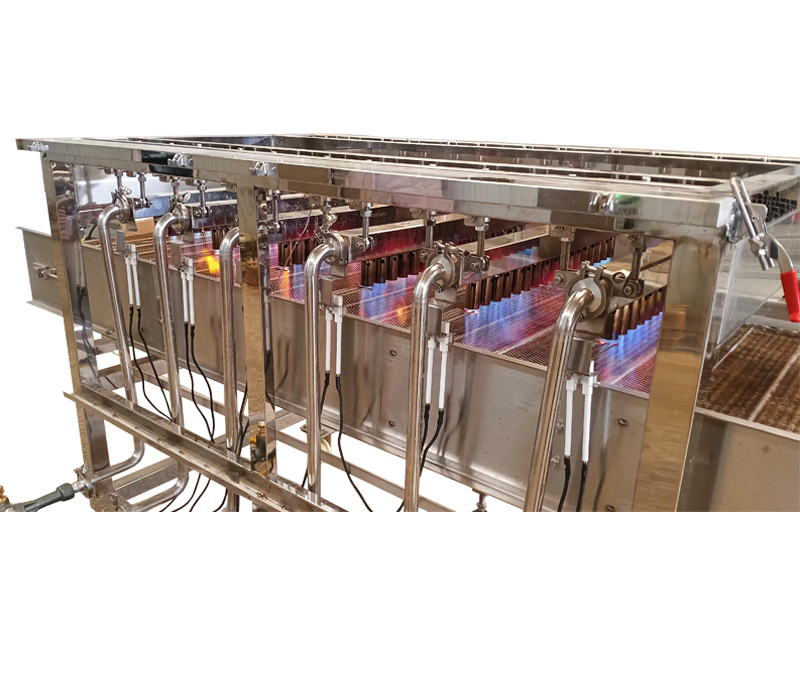
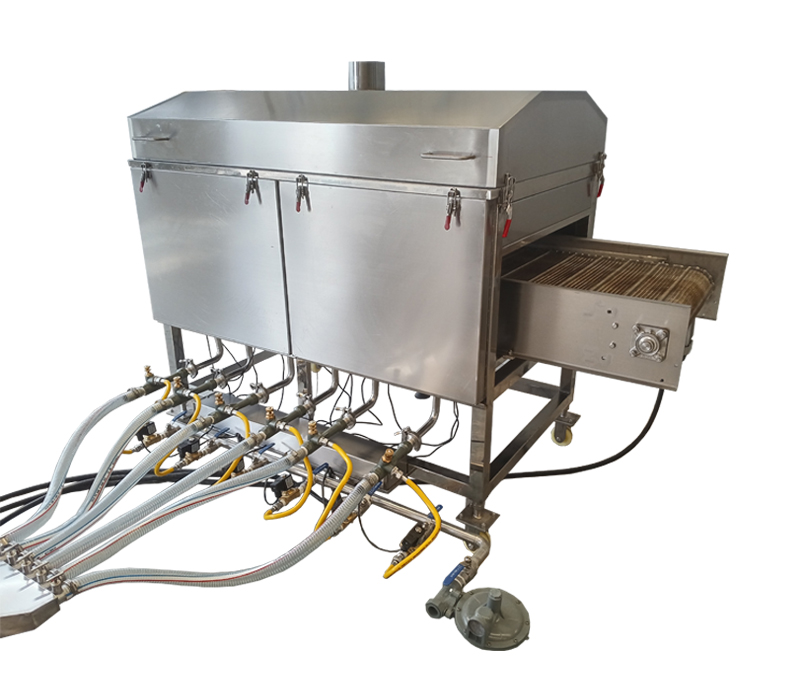
The gas vegetable meat burning machine is highly versatile and can effectively process a wide range of products, making it ideal for various culinary applications. Here’s a comprehensive list of the types of items the machine can handle:
Meats:
Chicken (whole, thighs, wings, and breasts)
Beef (steaks, burgers, and ribs)
Pork (chops, tenderloin, and sausages)
Lamb (chops, legs, and shanks)
Duck (whole or breast)
Turkey (whole or parts)
Fish (salmon, trout, and other fillets)
Seafood (shrimp, scallops, and squid)
Game meats (venison, rabbit, and bison)
Vegetables:
Potatoes (whole, wedges, or slices)
Carrots (sliced or whole)
Bell peppers (sliced or whole)
Zucchini (sliced or whole)
Asparagus (whole)
Onions (sliced)
Mushrooms (whole or sliced)
Eggplant (sliced)
Corn (cobs or kernels)
Broccoli and Cauliflower (florets)
The gas vegetable meat burning machine is designed to maintain unique flavors and produce a delicious charred appearance while ensuring juicy interiors. Additionally, it effectively removes hair from the surface of certain products during the cooking process.
What safety measures should I take while using the gas vegetable meat burning machine for processing meat and vegetable products?
When operating the gas vegetable meat burning machine, it’s essential to adhere to these important safety measures:
- Wear Protective Equipment: Always wear appropriate protective gear, including fire-resistant gloves, protective eyewear, and masks, to shield yourself from heat, sparks, and any potential debris.
- Monitor the Flame: Maintain vigilant oversight of the flame height and stability throughout the cooking or singeing process. This will help prevent excessive burning or flare-ups that could pose safety risks.
- Check Product Quality: Regularly inspect the meat and vegetable products during processing to ensure they are being cooked properly and remain intact. This helps maintain quality and safety.
- Emergency Stop: Be prepared to engage the emergency stop button immediately if you encounter any abnormal situations or safety concerns, such as unexpected flames or equipment malfunctions.
By following these safety guidelines, you can help ensure a safe and effective experience while using the gas burner machine for processing a variety of meat and vegetable products.
What are the shutdown steps for the gas vegetable meat burning machine after use?
After using the gas burner machine, please follow these shutdown steps:
Reduce Power: Gradually decrease the burner’s output until it is completely turned off.
Extinguish the Flame: Safely turn off the gas supply to ensure that the flame is fully extinguished.
Turn Off Auxiliary Equipment: Shut down any auxiliary systems, including power sources, water lines, and air compressors, as needed.
Cleaning and Maintenance: Perform essential cleaning and maintenance to ensure the machine remains in good working condition for its next use.
By adhering to these shutdown procedures, you can ensure safety and prolong the lifespan of the gas vegetable meat burning machine
What are some common troubleshooting methods for gas vegetable meat burning machines used in burning?
Here are some common troubleshooting methods for addressing issues that may arise during the operation of a gas burner machine:
- Machine Cannot Start:
Power Check: Ensure that the power plug is securely connected and the power cord is free from damage.
Fuse Inspection: Check the fuse in the gas burner machine for any signs of damage. If the fuse is blown, replace it with a new one.
Controller Functionality: Confirm that the machine’s controller is working correctly. If there are any malfunctions, consider repairing or replacing the controller.
- Temperature Issues:
Radiator Maintenance: Inspect the radiator for any blockages that may hinder performance and require cleaning.
Fan Operation: Verify that the fan is functioning properly. If it’s not operational, it may need repair or replacement.
Temperature Sensor Status: Ensure that the temperature sensor is in good working condition. If it is damaged, plan for its replacement.
- Uneven burning:
Nozzle Blockage: Inspect the nozzle for any blockages and clean or replace it as needed to ensure optimal performance.
Nozzle Damage: Check for damage to the nozzle that could affect its function; replace if necessary.
Distance Adjustment: Confirm that the distance between the nozzle and the meat and vegetable products is correct. Make adjustments as needed for consistent burning results.
By following these troubleshooting methods, you can effectively address common issues and maintain the optimal performance of your gas burner machine.
What precautions and solutions should I consider when operating a gas burner machine for meat and vegetable processing?
When operating a gas burner machine designed to process meat and vegetables, it’s essential to follow these precautions and solutions to ensure safety and effectiveness:
- Safety First: Always adhere to safety guidelines when using the gas burning machine to prevent fire hazards and burns. It is crucial to wear protective gear, such as gloves and goggles, to safeguard against any potential injuries.
- Temperature Management: Maintain appropriate temperature settings during operation. Excessive heat can damage meat and vegetables, while insufficient heat may not effectively achieve desired cooking or singeing results. Regularly monitor and adjust the temperature as needed for optimal performance.
- Post-Use Cleaning: After each use, promptly clean the gas vegetable meat burning machine to remove any food residue, grease, or dirt. This maintenance step is vital for ensuring optimal performance during future operations and preventing cross-contamination.
- Troubleshooting Cooking Issues: If you observe uneven cooking or that the meat or vegetables are not being processed correctly, check the temperature settings and the distance between the burner and the food items. Making necessary adjustments can significantly improve the results.
- Regular Maintenance: Engage in regular maintenance of the gas vegetable meat burning machine , addressing any issues promptly to prevent more significant problems. If you encounter persistent challenges that you cannot resolve, do not hesitate to contact the manufacturer or professional technicians for assistance.
By following these precautions and guidelines, you can enhance the safety, efficiency, and longevity of your gas burner machine while effectively processing meat and vegetables.

Leave a Reply