
Marker
- Home
- Products
- Cooking Mixer
- Sausage Process
- Fish Processing
- Meat Preparation
- Meat Portioning
- Coating
- Flour Process
- Bread Braiding Machine
- Dim Sum Machine
- Bakery Proofer
- Spring Roll Wrapper Machine
- Chapati Press Machine
- Gau Bau Bun Machine
- Bakery Oven
- Momo Machine
- Steam Cabinet
- Noodle Machine
- Tortilla Machine
- Gyoza Grill
- Dough Divider
- Automatic Electric Dough Divider
- Hydraulic Dough Divider
- Dough Rounder Machine
- Continuous Dough Divider
- Bun Divider Rounder
- Commercial Dough Rounder
- Electric Dough Divider
- Manual Dough Divider
- Pizza Dough Rounder
- Pneumatic Quantitative Dough Divider
- Semi Automatic Dough Divider/Rounder
- Dough Divider Rounder
- Industrial dough divider rounder machine
- Taro Ball Cutting Machine
- Dough Mixer
- Dough Rolling Machine
- Dough Sheeter
- Dumpling Maker
- Dumpling Wrapper Making Machine
- Baguette Moulder
- Bread Slicer
- Toast Moulder
- Tortilla Roti Chapati Pita Arabic Bread Making Machine
- Vegetable Process
- Food Crusher Blender
- Juice Extractor
- Colloid Mill Machine
- Blanching Pasteurizer Machine
- Pumpkin Peeling Machine
- Garlic Peeling Machine
- Vegetable Cutting Machine
- Fruit Vegetable Half Cutting Machine
- Vegetable Strip Cutting Machine
- Wave Potato Cutting Machine
- French Fries Cutting Machine
- Leafy Vegetable Cutting Machine
- Vegetable Stuffing Chopping Machine
- Multifunctional Vegetable Cutting Machine
- Multipurpose Vegetable Cutting Machine
- Root Vegetable Cutting Machine
- Vegetable Cube Dicing Machine
- Potato Peeling Cutting Machine
- Mini Vegetable Cutting Machine
- Industrial Vegetable Cutting Machine
- Melon Pumpkin Splitting Machine
- Potato Wedge Cutting Machine
- Garlic Slicer Machine
- Banana Slicer Machine
- Dewatering Deoiling Machine
- Vegetable Washing Machine
- Vortex Vegetable Washing Machine
- Parallel Brush Washing Machine
- Air Bubble Water Spraying Vegetable Fruit Washing Machine
- Potato Peeling Washing Machine
- Commercial Ozone Bubble Fruit Vegetable Washing Machine
- Fruit And Vegetable Washing Machine
- Potato Root Vegetable Brush Washing Machine
- High Pressure Root Vegetable Water Spray Washing Machine
- Immersion Meat Seafood Fruit Vegetable Thawing Machine
- Washing Machine
- Air Cooling Drying Machine
- Garlic Separator Machine
- Sorting Machine
- Packing Machine
- Food Dehydrator Machine
- Vacuum Fryer
- Vacuum Freeze Dryer
- Refrigeration and Freezer
- Services
- Applications
- blog
- contact
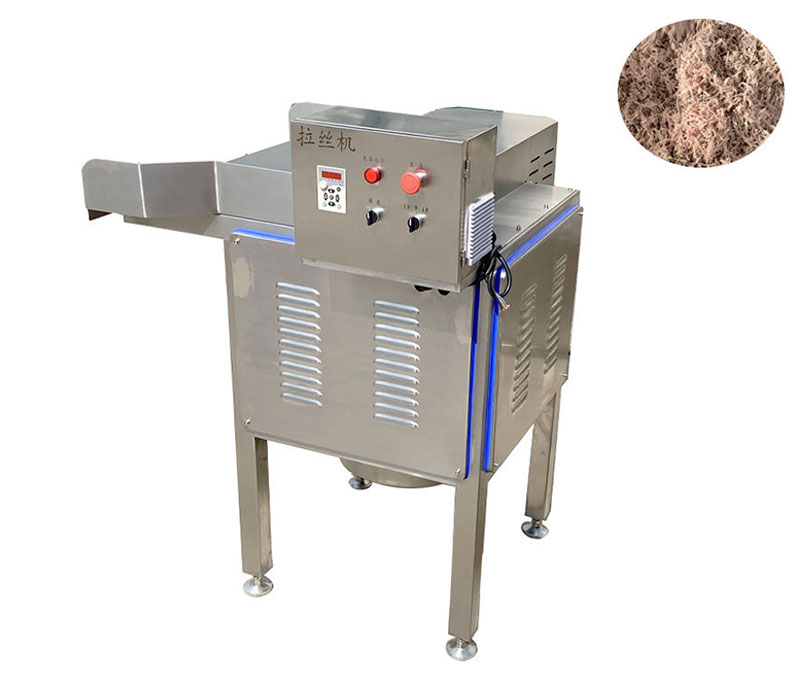
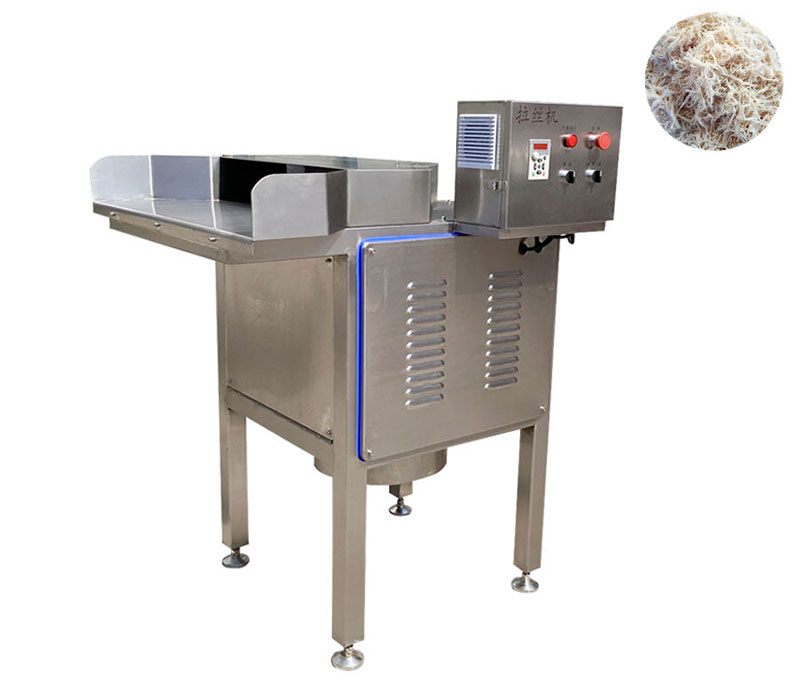
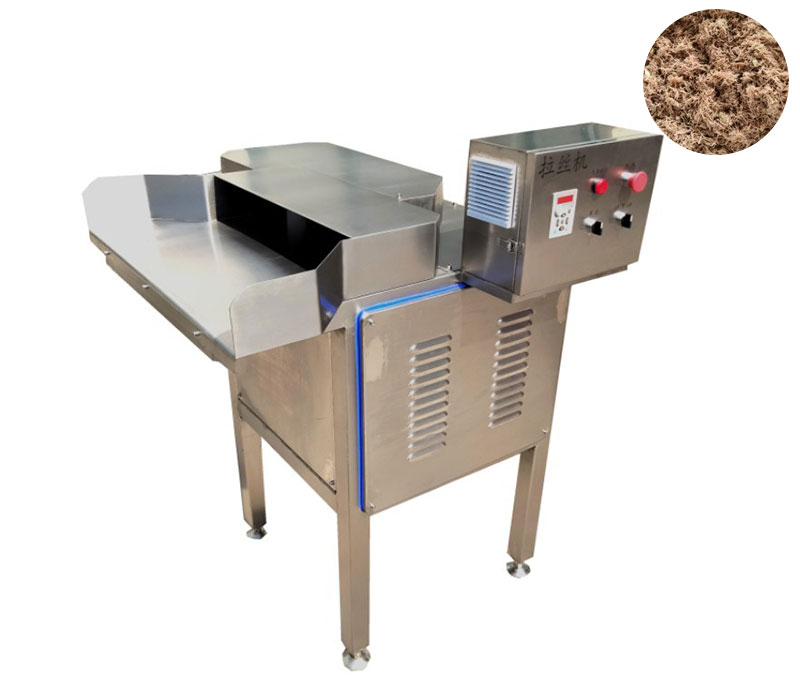
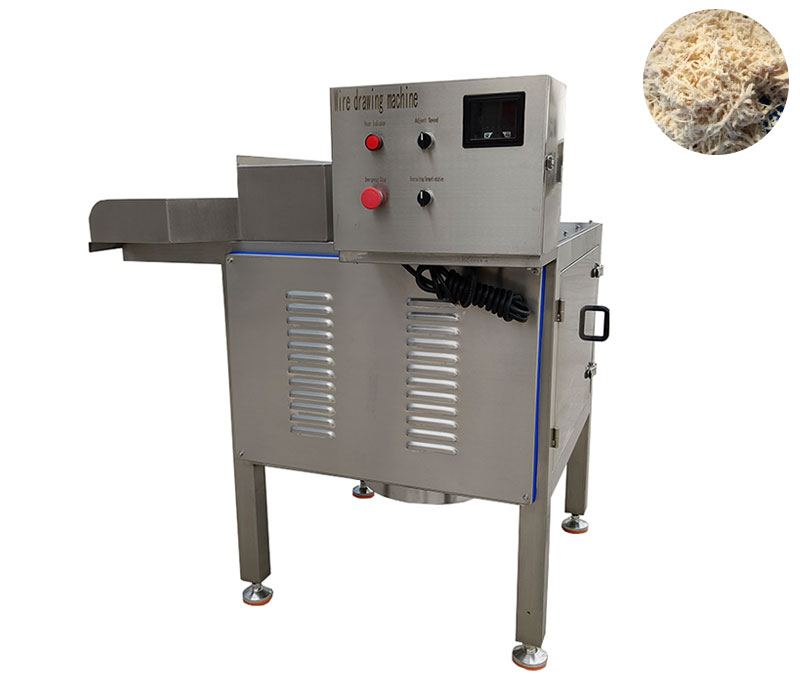
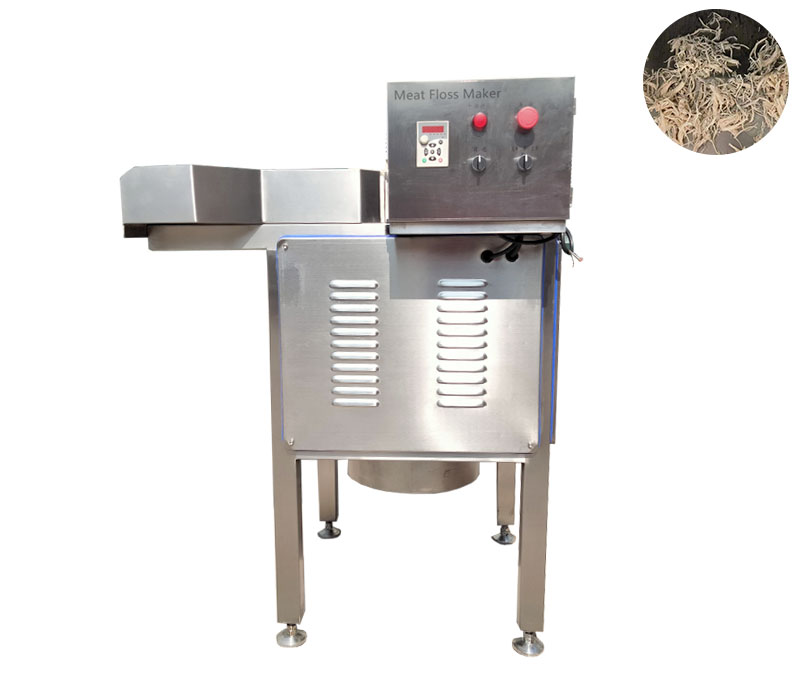
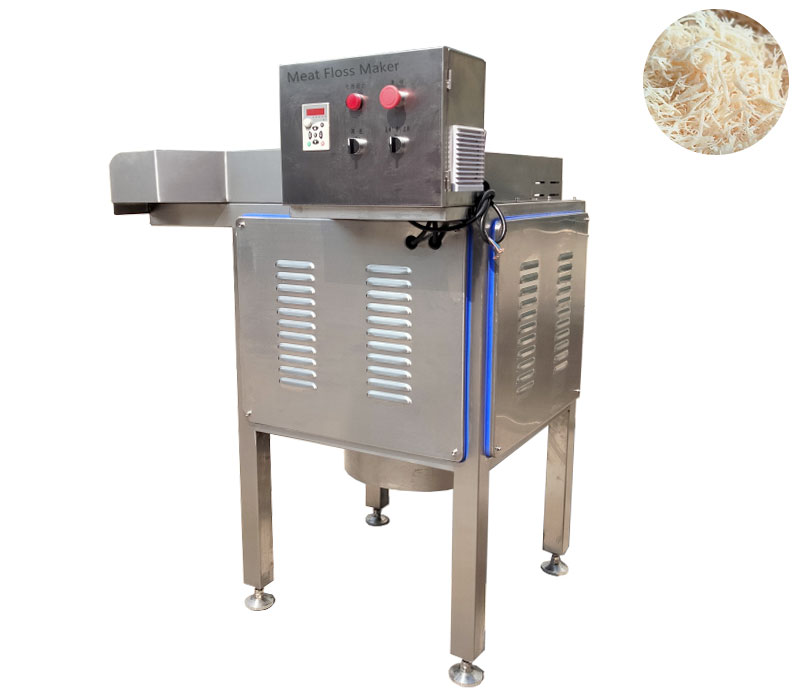
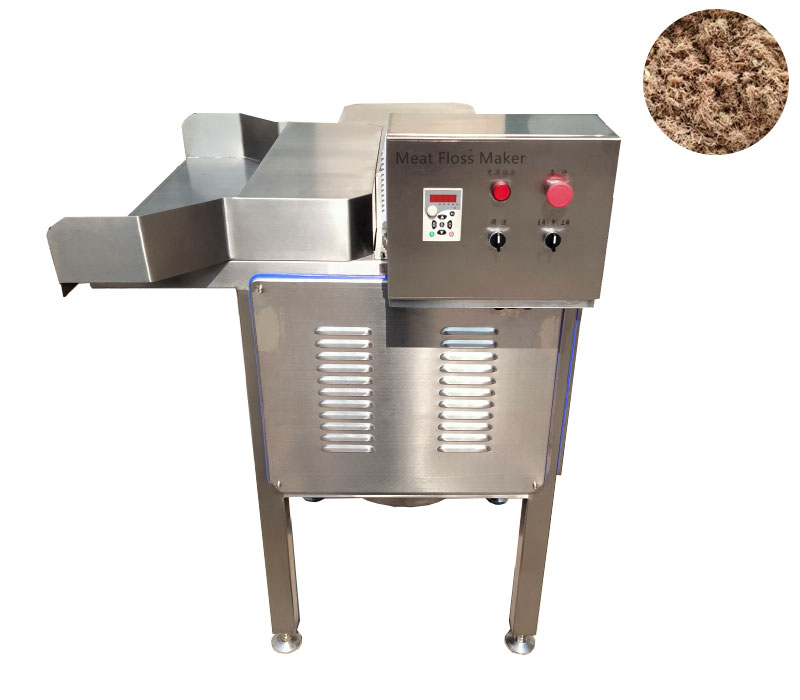
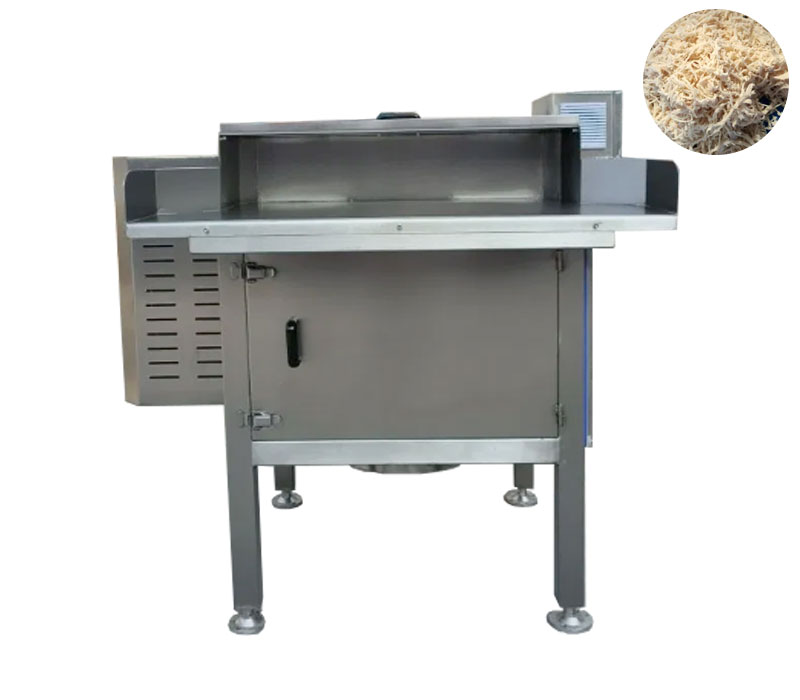

Leave a Reply