Blue Cod Frames Fish Deboning Machine :Delivering to New Zealand Customer
October 15, 2026Admin
Share
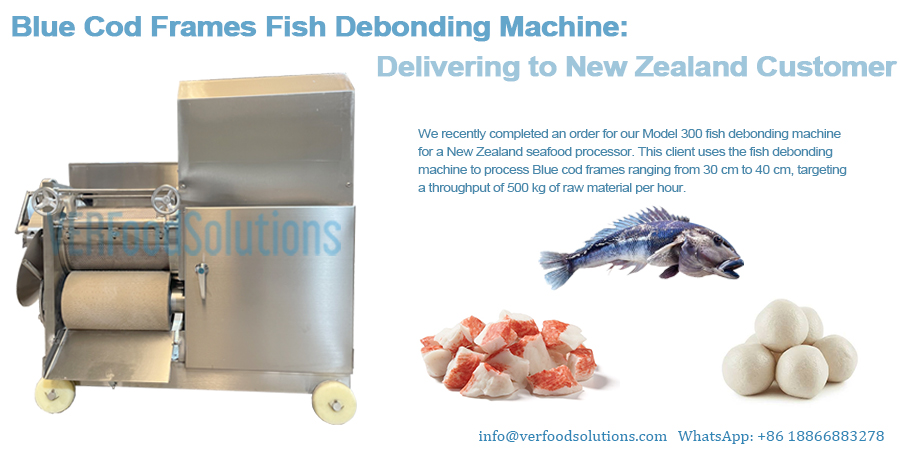
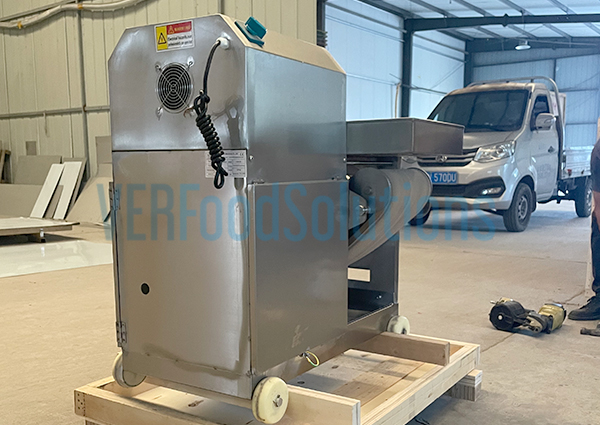
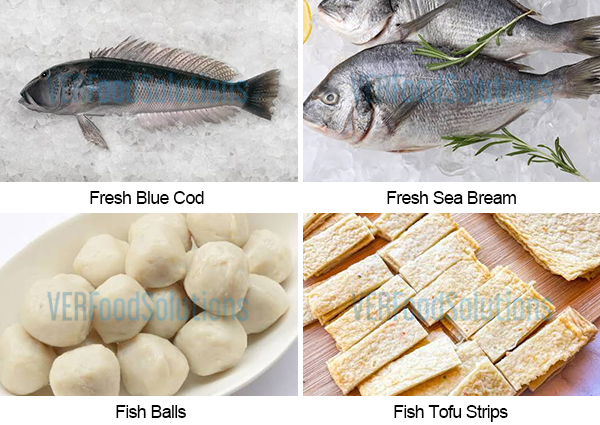
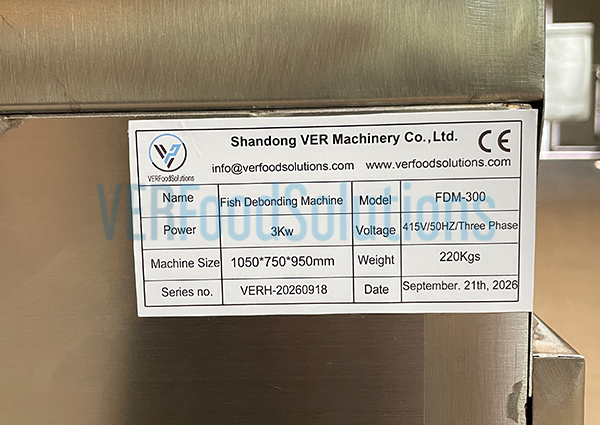
We recently completed an order for our Model 300 fish deboning machine for a New Zealand seafood processor. This client uses the fish deboning machine to process Blue cod frames ranging from 30 cm to 40 cm, targeting a throughput of 500 kg of raw material per hour. To match his surimi quality requirements, we customised the drum mesh size to 2.7 mm and configured the unit for 3-phase 415 V, 50 Hz power supply, matching New Zealand’s local electrical standard. The fish deboning machine , also referred to as a fish bone separator, separates fish meat from bones, fish skin and fish tendons automatically. It helps seafood factories boost raw material utilisation, cut heavy labour costs and unlock extra value from low-value fish frames. The extracted clean surimi can be directly used for manufacturing fish balls, fish noodles, fish gel, fish dumplings and a wide range of surimi products. This blog post introduces the key features of the fish deboning machine.
1. Automatic Meat-Bone Separation Working Principle
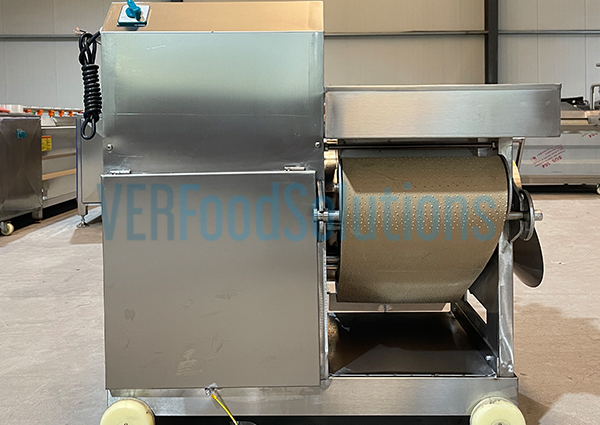
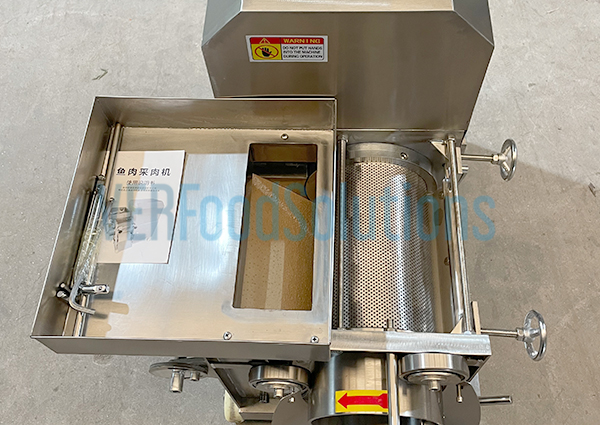
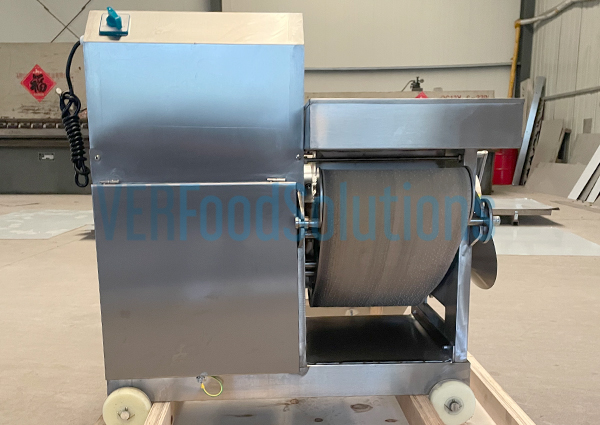
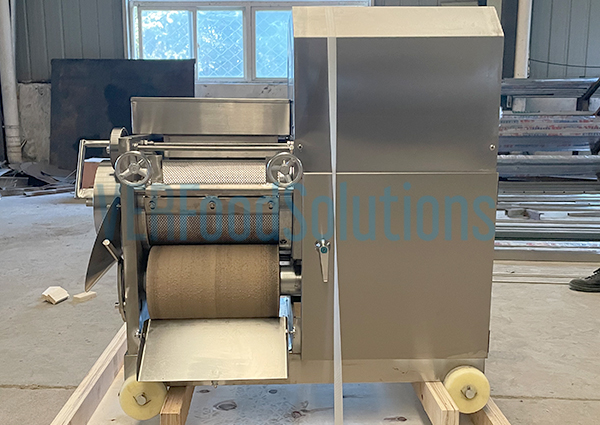
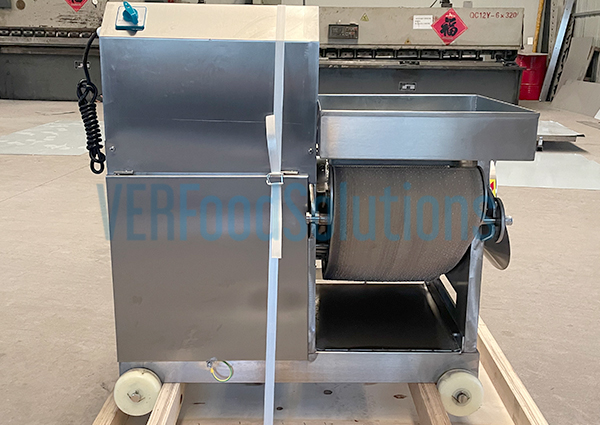
The fish deboning machine uses mechanical compression to separate the soft fish meat from the tough fish bones, skin, and tendons after the scales have been removed. It is assembled with a motor, scraper, tension device, transmission unit, conveyor belt, bone discharge outlet, surimi outlet, processing drum and raw fish feeding inlet. Small and medium-sized fish can be gutted and fed directly into the fish deboning machine . Larger fish such as Blue cod require pre-treatment, including head and tail removal and cutting into chunks before feeding. Driven by a gearbox and reducer, the machine runs at low speed with high torque. Raw fish materials are squeezed between the stainless steel sieve drum and conveyor belt. Soft fish meat passes through mesh holes, while bones and skins stay outside the drum. The built-in scraper wipes surimi off the inner drum wall, and clean meat and bone waste are discharged from two separate outlets. This fully automatic process replaces tedious manual scraping work.
2. Large-Capacity Feeding Hopper for Smooth Material Feeding
Our fish deboning machine adopts a large-capacity feeding hopper design. The widened feed inlet supports continuous raw material feeding without frequent manual feeding adjustments. Operators can load fish frames steadily, reducing interruptions during long-hour production runs. This design greatly lowers the labour intensity of front-end feeding work and ensures stable and consistent material input, which is critical for maintaining a constant hourly output like the 500 kg/h production target of our New Zealand Blue cod processing customer.
3. Food-Grade Stainless Steel Sieve Drum
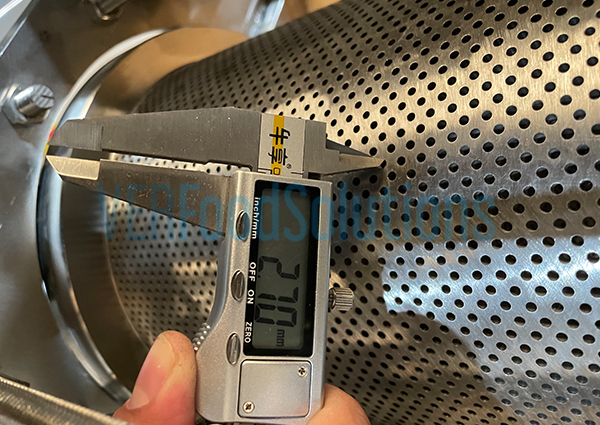
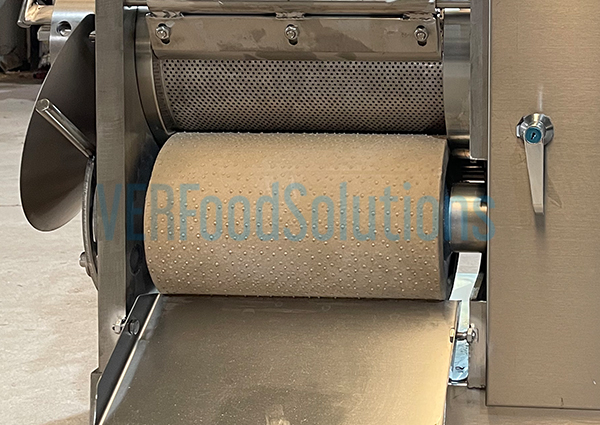
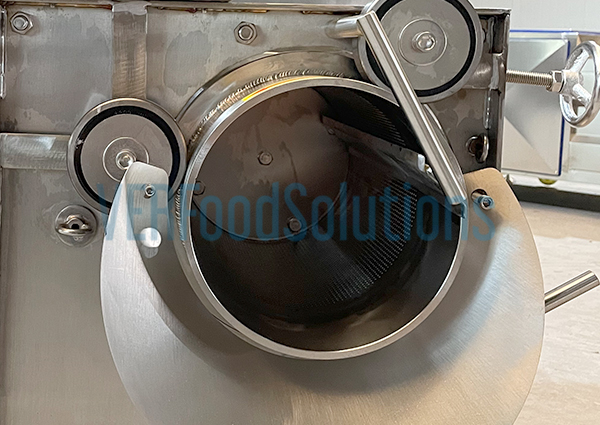
The core meat extraction sieve drum is built from food-grade stainless steel. It features high density structure, fast meat harvesting performance and excellent rust resistance. It can withstand long-term contact with fish juice, saltwater and frequent washing in humid seafood workshops. The mesh aperture of the sieve drum can be fully customised according to different fish species and surimi fineness demands. For the New Zealand client, we customized a rotary drum screen with 2.7 mm apertures—tailored to the specific type (blue cod frames), size, and weight of the fish being processed—to ensure the resulting fish paste is free of unwanted bones.
4. Heavy-Duty Meat Extraction Conveyor Belt
The meat extraction conveyor belt is a key functional component. It transports raw seafood materials and forms strong squeezing pressure together with the rotating sieve drum. Under mutual extrusion, fish meat is pressed through the mesh of the drum while solid impurities remain outside. The belt maintains stable tension during continuous operation, ensuring consistent meat separation effect and avoiding uneven extraction rates caused by slipping or loose tension.
5. Internal Scraper to Prevent Material Accumulation
A precision scraper is installed inside the processing drum. After fish meat squeezes through the mesh and sticks to the inner drum wall, the scraper automatically strips surimi from the wall. This design effectively prevents meat buildup inside the drum. Without this scraper, accumulated fish meat would block mesh holes, reduce extraction efficiency and affect product consistency. The scraper guarantees continuous and stable meat output throughout the whole production shift.
6. Adjustable Gap Mechanism to Control Meat Extraction Rate
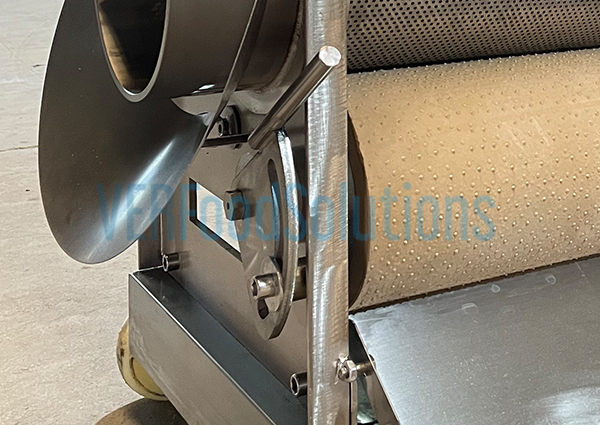
The fish deboning machine is equipped with a flexible gap adjustment system. Operators can adjust the tension gap between the sieve drum and conveyor belt conveniently. By tuning this gap, factories can control the fish meat extraction rate according to different raw materials, fish freshness and product requirements. Whether processing cod frames, shrimp, crab or other seafood, users can fine-tune parameters to balance meat yield and surimi purity.
7. High Torque Reducer Transmission, Stable Low-Speed Operation
Power transmission adopts gearbox and reducer structure. It delivers high torque under low rotating speed. One outstanding advantage is that the fish deboning machine will not overheat during long continuous operation. Temperature rise will damage fresh fish meat quality and affect surimi properties. This low-speed stable running design suits continuous mass production in seafood plants, avoiding downtime caused by motor overheating.
8. Up to 95% Impurity Removal Rate for High Purity Surimi
Our fish deboning machine can remove up to 95% of fish bones, skin, scales and tendons from harvested fish meat. The finished surimi contains minimal bone fragments and impurities, complying with strict food quality standards for further processing. The equipment is not limited to fish processing. It can also handle shrimp and crab meat separation, bringing great flexibility for multi-product seafood manufacturers. Low-value fish frames can be converted into high-quality surimi raw materials, greatly improving raw material utilisation.
9. Full SUS304 Stainless Steel Body for Food Hygiene
The whole fish deboning machine body is manufactured with SUS304 stainless steel, fully meeting international food hygiene standards. SUS304 material has strong corrosion resistance against saltwater and fish protein liquid. It is easy to rinse and clean after production. Simple daily maintenance reduces cleaning time between batches and lowers cross-contamination risks, which is essential for seafood factories under strict food safety inspection requirements.
10. Flexible Customisation on Machine Capacity & Electrical Specs
We provide rich customisation options to satisfy global customers. Our product range covers models with hourly capacity from 180 kg/h up to 1500 kg/h. Voltage and frequency can be tailored to match local power grids. As shown in the New Zealand project, we configured the Model 300 machine for 3-phase 415 V, 50 Hz local power supply. Customers can choose proper drum mesh size, machine size and power setup according to their raw material type and workshop power condition.
11. Compatible to Connect with Other Seafood Processing Equipment
This fish deboning machine can be seamlessly connected with other seafood processing machines to build an automatic production line. It can work with fish washing machines, cutting machines, meat forming machines and cooking equipment. Integrating this machine into your existing production workflow eliminates manual transfer steps between stations, streamlines the whole surimi manufacturing process and improves overall factory automation level.
12. Wide Application for Various Surimi Finished Products
The clean boneless fish meat harvested by our fish deboning machine can be used to produce a wide range of surimi products, including fish balls, fish noodles, fish gel, fish dumplings, fish patties, fish cakes, fish sausages, fish rolls and fish tofu. For coastal seafood processors, this machine eliminates the heavy and tedious manual meat scraping work, cuts labour expenditure significantly and maximises the economic value of low-value fish by-products. It is a must-have processing equipment for surimi production workshops and medium seafood factories.
13. CE Certified for European Market Compliance
Our fish deboning machine holds CE certification, meeting the safety, health and environmental protection standards required for machinery sold into European markets. The certification validates that the equipment’s electrical systems, mechanical safety structures and food-contact material design comply with recognised international regulations.
14. Sturdy Wooden Case Packaging & Complete Tool Accessories
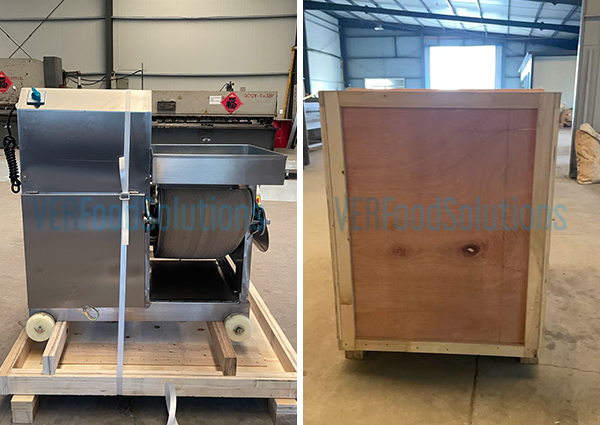
We adopt solid export wooden cases for packaging the fish deboning machine . The machine is firmly reinforced and fixed inside the crate to avoid shifting, collision and damage during long-distance sea and land transportation. A full set of disassembly tools is supplied together with each machine as standard accessories. Operators can use these tools for routine disassembly, inspection, maintenance and part replacement after the machine arrives at the customer’s factory.
To sum up, our Model 300 fish deboning machine has proven reliable for the New Zealand customer processing 30–40 cm Blue cod frames at 500 kg/h with custom 2.7 mm mesh. It combines hygienic stainless steel construction, adjustable extraction parameters, high impurity removal rate and flexible customisation. It helps seafood processors reduce labour waste, raise raw material utilisation and turn fish by-products into profitable surimi goods. If you are looking for high-performance fish meat harvesting equipment to upgrade your seafood production line, contact us today. Share your seafood material type, target hourly output and local power specifications. Our professional engineering team will analyse your processing situation and provide a custom fish deboning machine solution and competitive quotation for your seafood business.

Leave a Reply