Why a parallel brush washing machine is worth the investment?
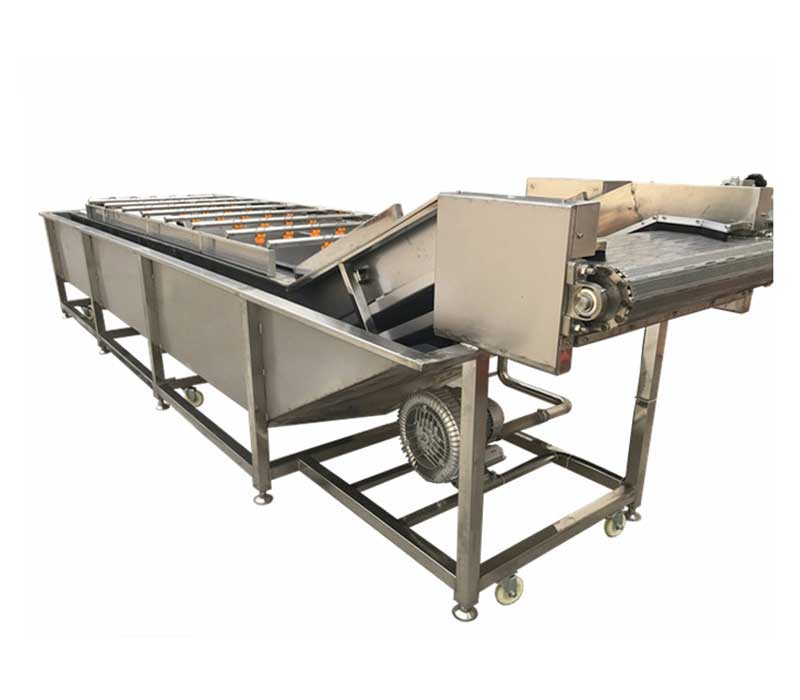
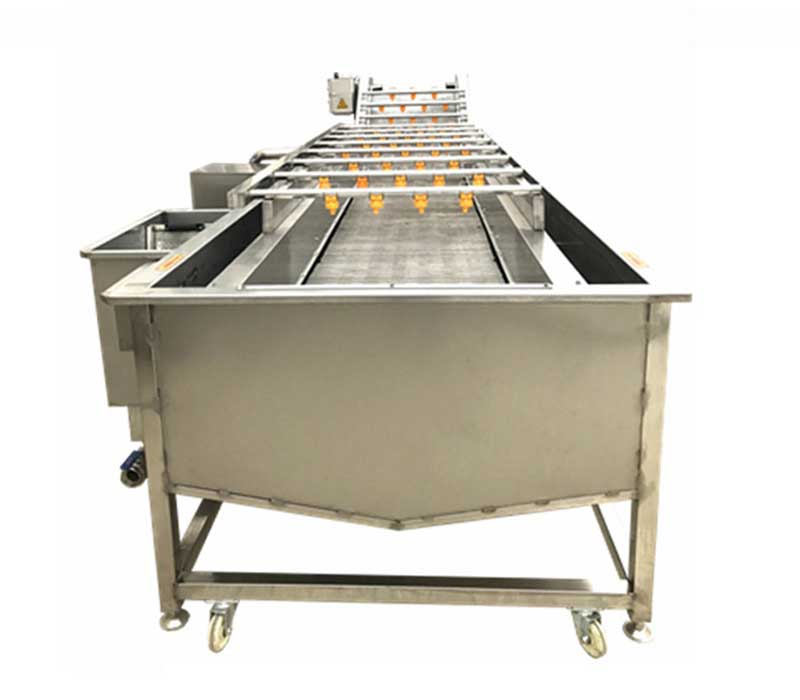
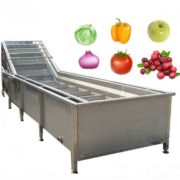
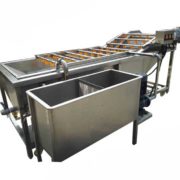
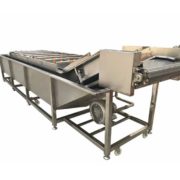
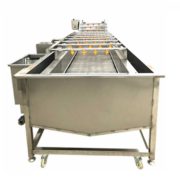
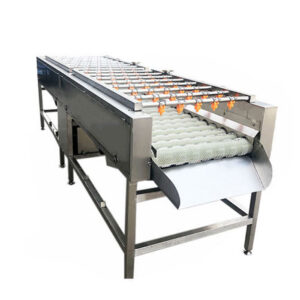
The parallel brush washing machine enhances work efficiency and achieves high cleaning standards, making it an excellent investment for food processing.
– High-Quality Materials: Constructed from 2mm thick 304 stainless steel, ensuring corrosion resistance and compliance with food industry standards for long-lasting durability.
-Safe and Reliable: Rigorously tested for leaks, with a sewage valve for easy wastewater discharge.
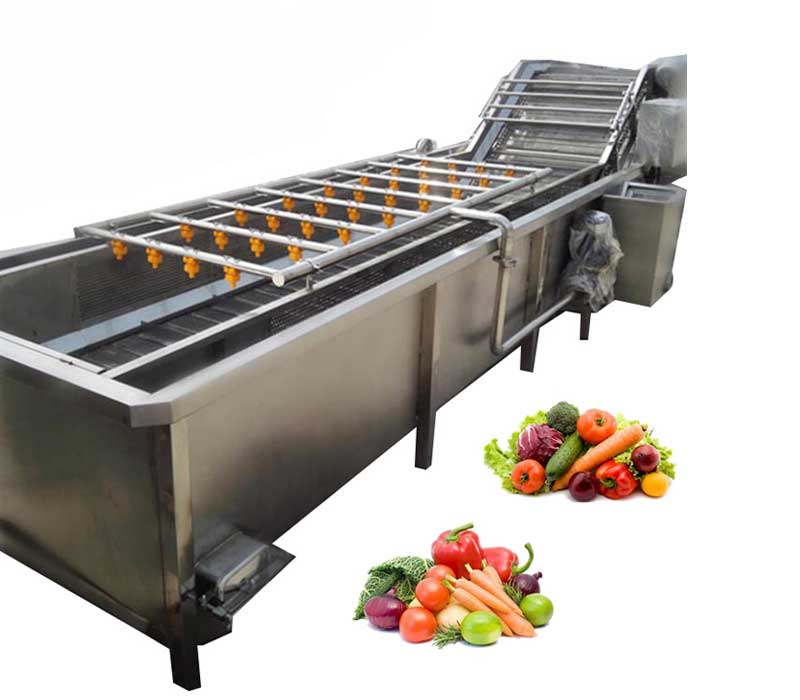
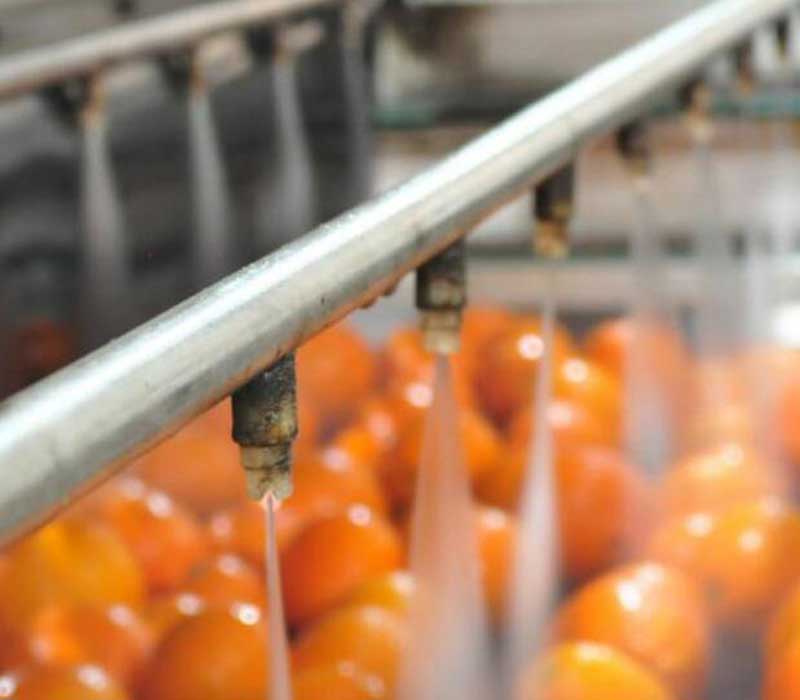
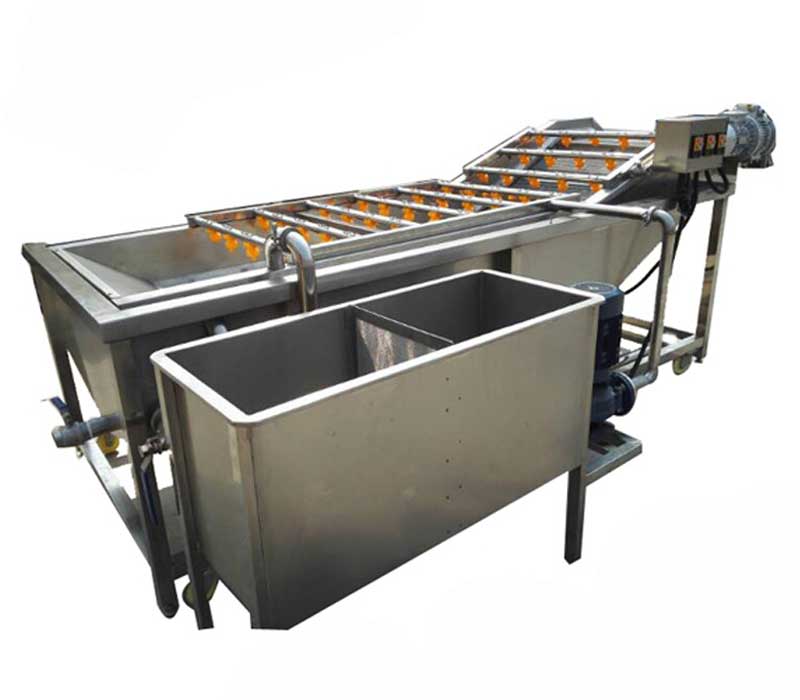
– Efficient Cleaning: Combines brush action with high-pressure spray, effective for cleaning various foods, including:
– Fruits: Apples, kiwis, oranges, tangerines, lemons, and more.
– Vegetables: Potatoes, radishes, carrots, onions, sweet potatoes, and more.
– Seafood: Oysters, scallops, and more.
– Others: Effective for cleaning pig heads and trotters.
-User-Friendly Operation: Simple interface and thoughtful design for easy installation and maintenance, suitable for various processing companies.
-Wide Applications: Ideal for large-scale processing industries, food processing plants, dried fruit centers, and food distribution channels, accommodating different cleaning, soaking, and peeling tasks.
– Customized Service: Machine length, width and brush quantity, brush type can be tailored to meet specific output and cleaning requirements.
What are the steps to install and debug the parallel brush washing machine?
1. Choose equipment location and level the feet.
2. Connect water inlet and outlet pipes securely.
3. Power on and verify correct motor phase sequence.
4. Test run to ensure all components function properly.
5. Adjust brush pressure and speed as needed.
6. Check water circulation and spray nozzle effectiveness.
7. Calibrate conveyor belt speed for optimal cleaning.
8. Ensure safety features are operational.
9. Conduct a full cleaning cycle with test materials.
10. Fine-tune settings based on initial results.
What are the operating procedures for the parallel brush washing machine?
Firstly, fill the water tank.
Then, connect the power supply and switch on the power.
Next, place the materials to be cleaned and adjust the speed of the roller to obtain the optimal cleaning effect.
Finally, after cleaning is completed, gather the cleaned materials.
What precautions should be taken when operating the parallel brush washing machine?
– Avoid placing materials exceeding 150mm or under 10mm in diameter to prevent blockages.
– Do not reach into the roller area while the machine is running.
– Remove gloves and secure long hair before operating the machine.
– Ensure the water pump doesn’t reverse for uninterrupted operation.
– Regularly clean the water tank filter for smooth equipment performance.
– Do not adjust the speed regulator during machine shutdown
What is the repair and maintenance process for the parallel brush washing machine?
To ensure the smooth operation and longevity of the parallel roller cleaning machine, timely and consistent maintenance is essential. Below are key repair and maintenance guidelines for optimal machine performance:
Daily Maintenance:
Cleaning and Sanitization: After each use, thoroughly clean the machine to maintain both internal and external hygiene. Regularly clean the water tank and filter tank to prevent the buildup of impurities, which could negatively impact the machine’s performance.
Quarterly Maintenance:
Lubricating the Transmission Chain: Periodically check the transmission chain and add an appropriate amount of lubricating oil. This ensures smooth operation and reduces wear and tear on the chain.
Transmission Motor Maintenance: Inspect the motor to ensure it is operating correctly. Clean and lubricate the motor as needed based on usage, and check the wiring and positioning. Make adjustments if necessary to maintain optimal performance.
By following these regular maintenance practices, you can not only reduce the likelihood of equipment malfunctions but also improve the overall efficiency and lifespan of the machine.
What are the troubleshooting steps for the parallel brush washing machine?
Fault: Abnormal Noise from the Water Pump
– Possible Cause: This issue typically arises from insufficient water in the pump body or the presence of foreign objects obstructing the pump head.
– Solution: Ensure the water level is adequate. If the water level is sufficient, shut off the pump and inspect the pump head for foreign objects. Clean any obstructions to restore normal operation.
Fault: Abnormal Noise from the Chain Transmission
– Possible Cause: Noise from the chain transmission usually indicates severe chain wear, leading to improper gear engagement.
– Solution: Regularly inspect the chain for wear. If significant wear is detected, replace the chain promptly to maintain equipment safety and functionality.
Fault: Inadequate Cleaning Performance
– Possible Cause: Inefficient cleaning often results from excessive wear on the wool roller, diminishing its cleaning capability.
– Solution: Assess the wool roller for wear. If severe wear is evident, replace the wool roller to enhance the machine’s cleaning efficiency.
For any additional issues encountered during operation, it is advisable to reach out to professional maintenance staff for immediate inspection and repair to ensure the optimal functioning of the equipment.
What is the application for this vegetable washing machine?
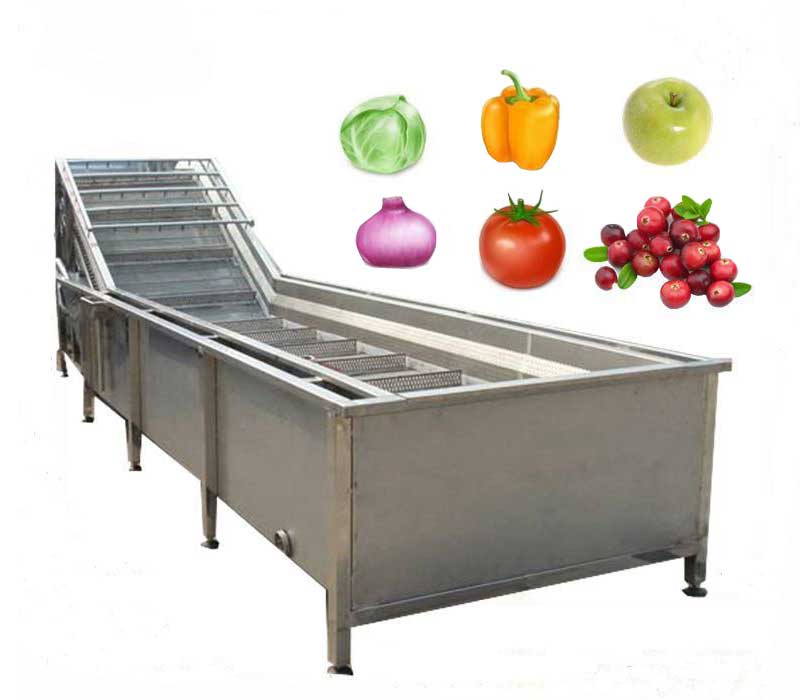
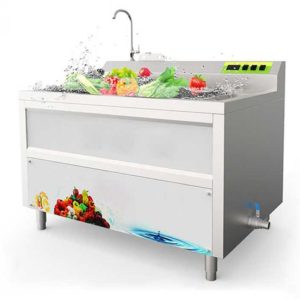
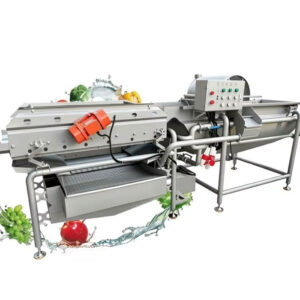
- The vegetable washing machine could wash root vegetables(carrot, onion, ginger, potatoes, sweet potatoes, cassava, yam, radish, stem, taro roots), pickles, pepper, fruits(apple, pear, kiwi fruit). Also, it could wash soft product (shrimp and fish).
- It features fast washing cycle (continuous washing cycle and running without interruption) with a hygienic and safe washing function.
- This vegetable washing machine could be applied to restaurant and vegetable processing plant and central kitchen.
What’re the tips if I wash fish and shrimp?
The brushes can be separated to hard brushes and soft ones, the former is used to wash and peel root vegetables such as potatoes, carrots, the latter can be applied to wash and clean soft product, like fish and shrimp (soft brushes can protect fish and shrimp surface from damage).
What if I want to wash fruits in this vegetable washing machine?
This machine could wash fruits, just change the brushes to soft ones, it would not damage the product surface.
Can this vegetable washing machine peel potatoes as well?
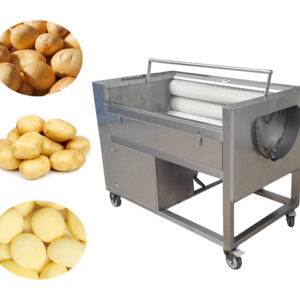
By using the hard brushes, this vegetable washing machine could wash and peel potatoes simultaneously and effectively in one machine.
Is it durable of the vegetable washing machine brushes?
The brushes can be used as long as 5 years if you pay attention to maintenance. If brushes need to be changed, you can change them very easily by studying our sending videos.

Leave a Reply