How to choose the right sumai machine when ordering?
Selecting the right model sumai machine depends primarily on your production scale and level of automation required.
1. Fully Automatic Siomai Machine
If you run a large-scale factory with high, continuous demand. This machine is a complete, hands-off system: just load the dough and filling into the hoppers, and it automatically performs every step—from making and thinning the dough strips to cutting, filling, shaping, and conveying the finished siomai. With a high output of 5,500 pieces per hour and efficient double-row production, it maximizes output and minimizes labor for large-volume operations.
2. Semi-Automatic Sumai Machine
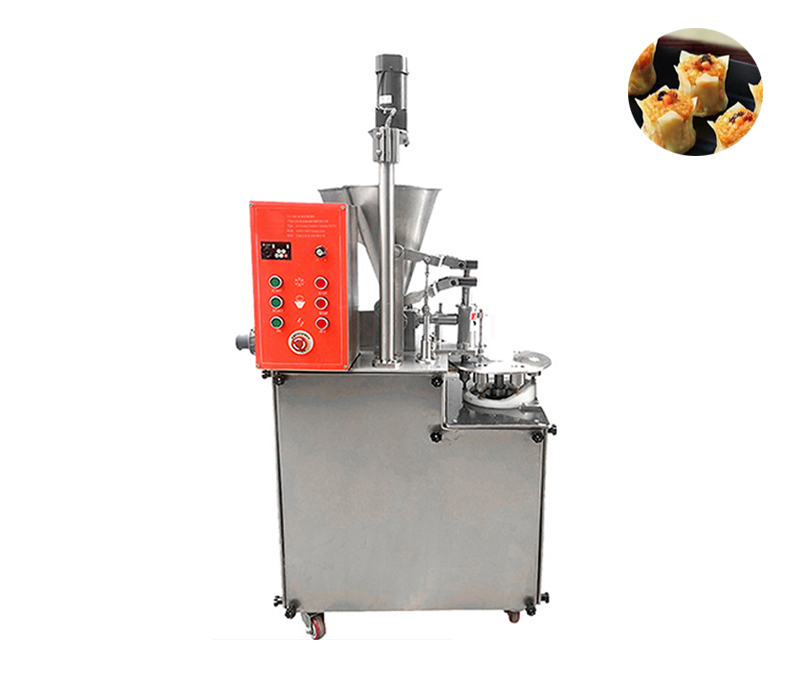
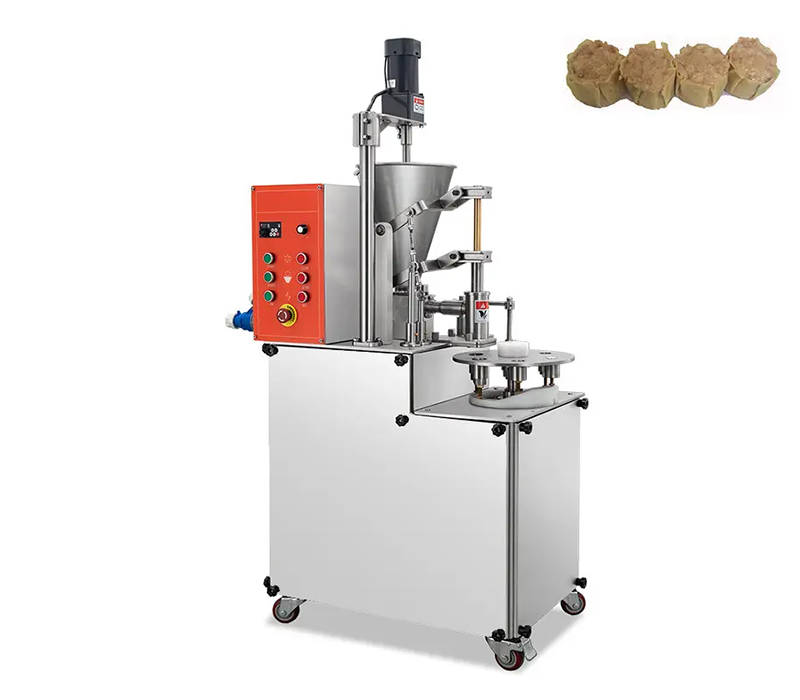
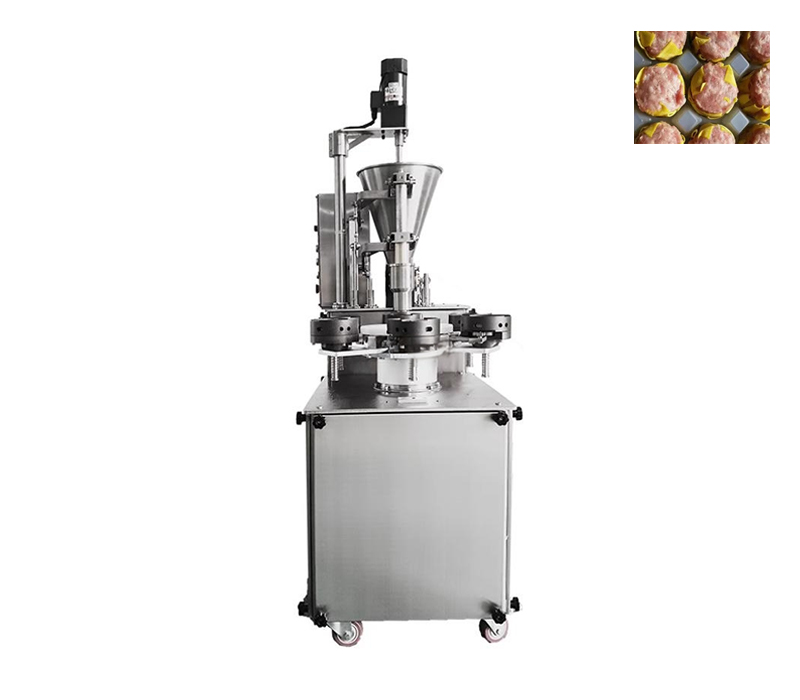
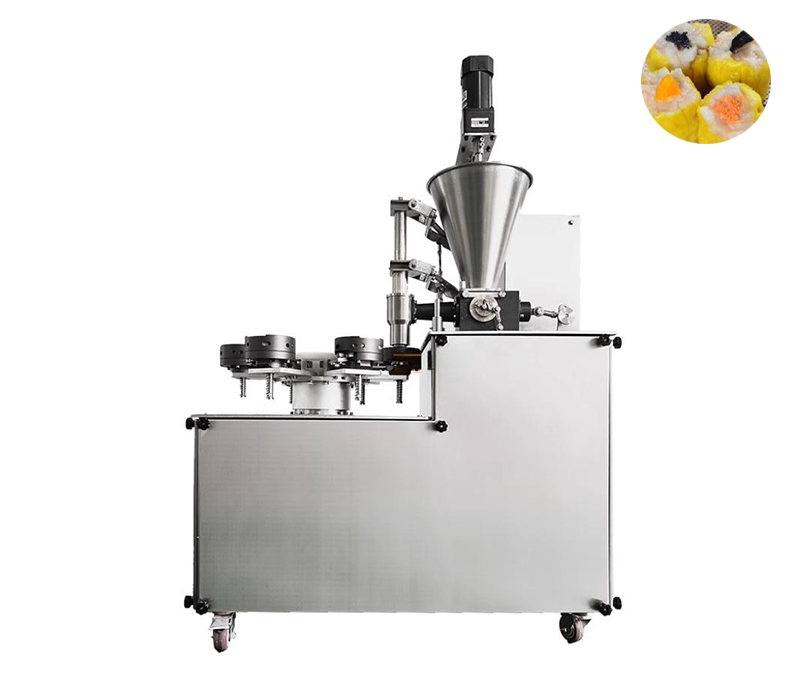
If you have a smaller or mid-sized operation with more moderate production needs. This model automates the creation of the siomai wrappers but requires an operator to manually remove the finished pieces after shaping. Offering flexibility, it comes in two capacity options (1,200 or 1,800 pieces per hour), making it a cost-effective and adaptable solution for businesses that do not yet require full automation.
In short, your decision should balance your hourly output requirements with your preferred investment in automation versus manual labor.
What is the recommended dough recipe ratio for this sumai machine?
The recommended dough recipe ratio required by the siomai machine is 28%. This ratio ensures the dough has appropriate viscosity and elasticity, which matches the machine’s processing requirements (whether for the fully automatic model’s integrated dough processing or the semi-automatic model’s wrapper production) and helps achieve the desired chewy texture of the finished shumai.
What are the most popular and customize mold sizes available for sumai machine?
To accommodate different product sizes and preferences, we offer a selection of custom molds. Below are the available options and their detailed specifications:
1. Mold #80(Standard Size):
- Wrapper Diameter: 8-8.5 cm
- Wrapper Weight: 6-8 g
- Filling Weight: 9-11 g
- Finished Product Weight: 15-19 g
2. Mold #80(Large Size):
- Wrapper Diameter: 8-8.5 cm
- Wrapper Weight: 9-10 g
- Filling Weight: 11-15 g
- Finished Product Weight: 20-25 g
3. Mold #90 (Standard Size):
- Wrapper Diameter: 9-9.5 cm
- Wrapper Weight: 9-13 g
- Filling Weight: 12-17 g
- Finished Product Weight: 21-30 g
These molds are designed to work seamlessly with both our fully automatic and semi-automatic models, allowing you to standardize production and achieve consistent size and weight for your shumai products. Please specify your desired mold when placing your order.
How to operate one sumai machine?
Follow these steps to operate the sumai machine correctly and ensure consistent production:
1. Power On: Turn on the main power switch and the large red knob on the machine’s controller.
2. Cutter Adjustment: Adjust the gap between the forming blades (unless your machine is a smart model pre-adjusted by the manufacturer).
3. Load Dough: Place the pre-kneaded dough into the dough hopper. For initial testing, use a sufficient amount (recommended: 5-6 jin of flour) to ensure smooth operation.
4. Calibrate Dough Output: Turn on the dough supply switch and adjust the output speed until the dough strip emerges evenly. Then, activate the forming switch and adjust the wrapper weight as needed (you can weigh cut wrappers for accuracy). Once set, turn off the dough supply switch.
Note: A higher dough supply value increases speed and wrapper thickness; a lower value reduces output and makes wrappers thinner.
5. Load Filling: Pour the prepared filling into the filling hopper.
6. Calibrate Filling Output: Turn on the filling supply switch and adjust the output until the filling is distributed evenly, then turn it off.
Note: A higher filling supply value increases output speed; a lower value decreases it.
7. Final Adjustments & Production: Turn on both the dough and filling supply switches. Fine-tune the filling supply switch to control the final size of the shumai. Adjust the machine’s forming switch according to the desired height of the finished product.
Note: A higher forming switch value increases the cutting speed and can result in slightly smaller shumai; a lower value decreases speed and can make them slightly larger.
Important: Always refer to your specific machine’s manual for model-specific instructions, especially for smart or pre-adjusted models.
What are the daily maintenance and care procedures for the sumai machine?
Proper maintenance is essential for the longevity, safety, and consistent performance of your shumai machine. Please follow these key procedures:
1. Daily (After Each Shift):
- Clean the Machine: Clean the entire machine thoroughly at the end of each production shift to prevent dough or filling residue from hardening.
- Lubricate Moving Parts: Before starting a new shift, lubricate the blades with a small amount of food-grade oil or grease. Also, inject a suitable amount of cooking oil into the transmission components and apply vegetable grease to the cam groove.
2. Weekly / Periodic Care:
- Handle Parts with Care: When disassembling parts like the dough hopper, filling mechanism, or blades for cleaning, avoid using hard tools to strike, hit, or pry them to prevent damage.
- Clean and Store Blades Properly: After each use, clean all blades meticulously and ensure they are returned to their correct positions before storage or the next use.
3. Semi-Annual & Routine Maintenance:
- Bearing Maintenance: Every six months, disassemble and clean all the machine’s bearings to ensure smooth operation and prevent wear.
- Motor Maintenance: Perform routine maintenance on the machine’s geared motor according to the standard maintenance procedures for electromechanical products, as outlined in the user manual.
Following this schedule will help maintain optimal machine hygiene, prevent breakdowns, and ensure consistent production quality.


Leave a Reply