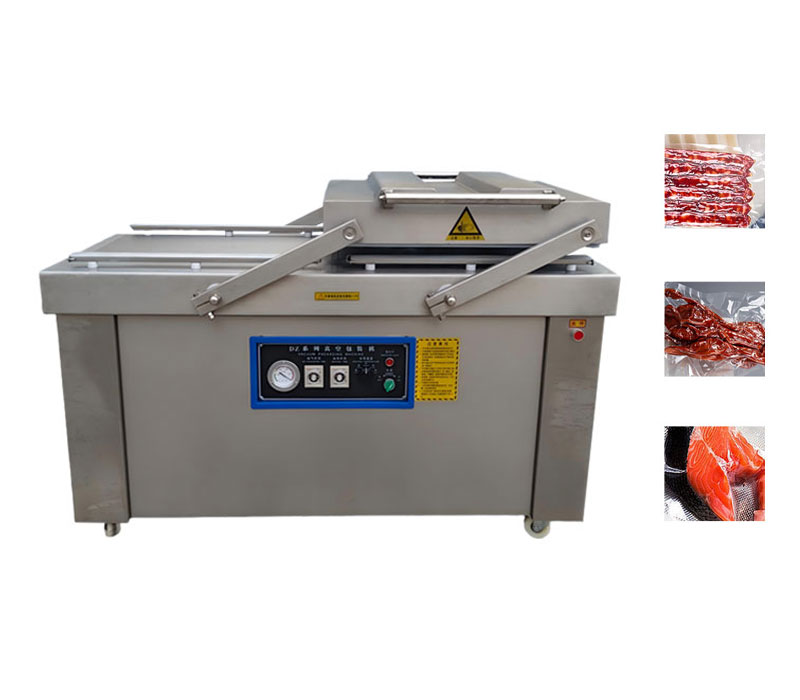
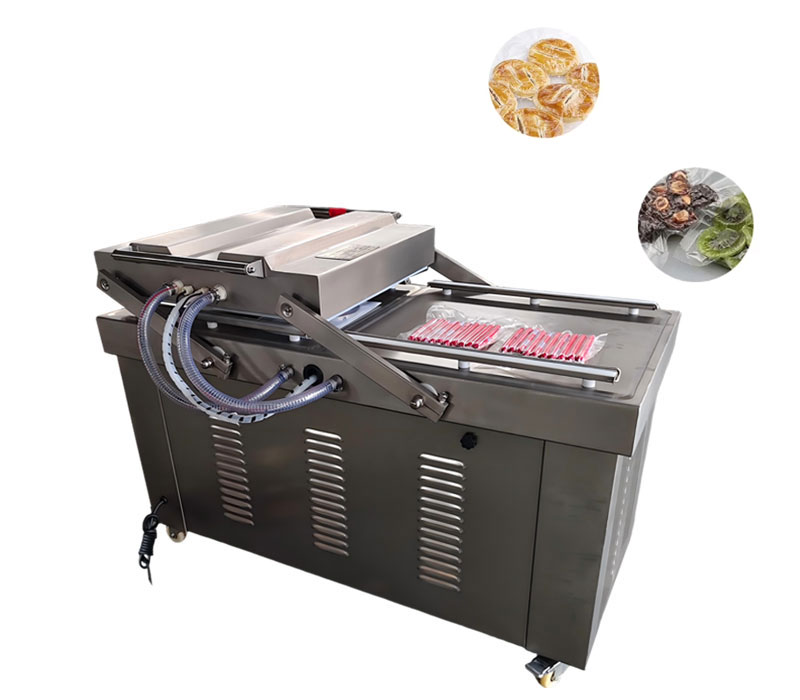
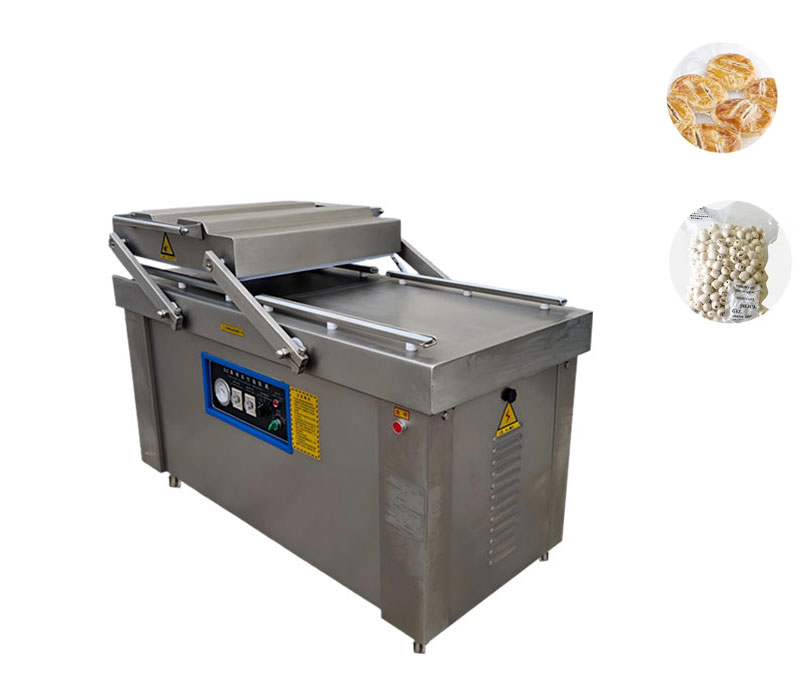
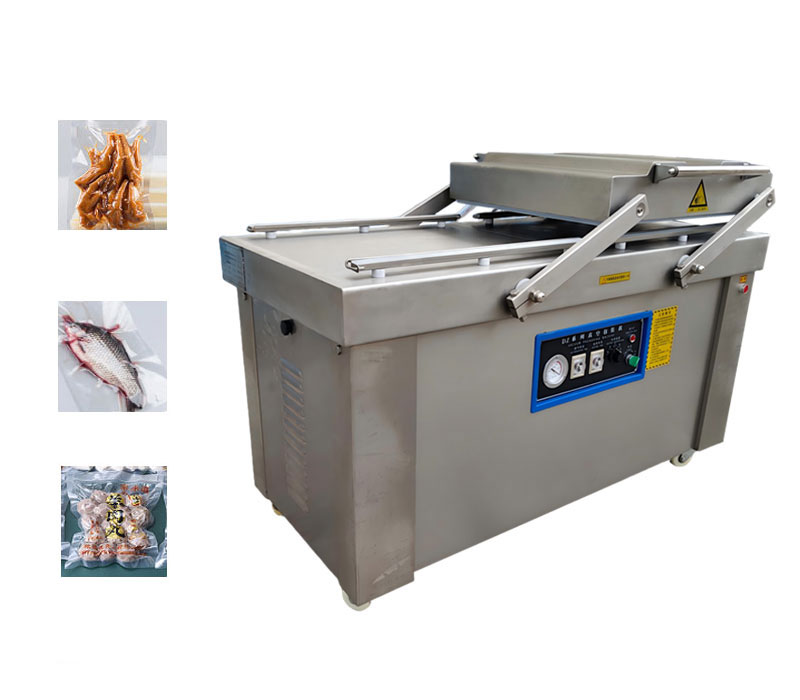
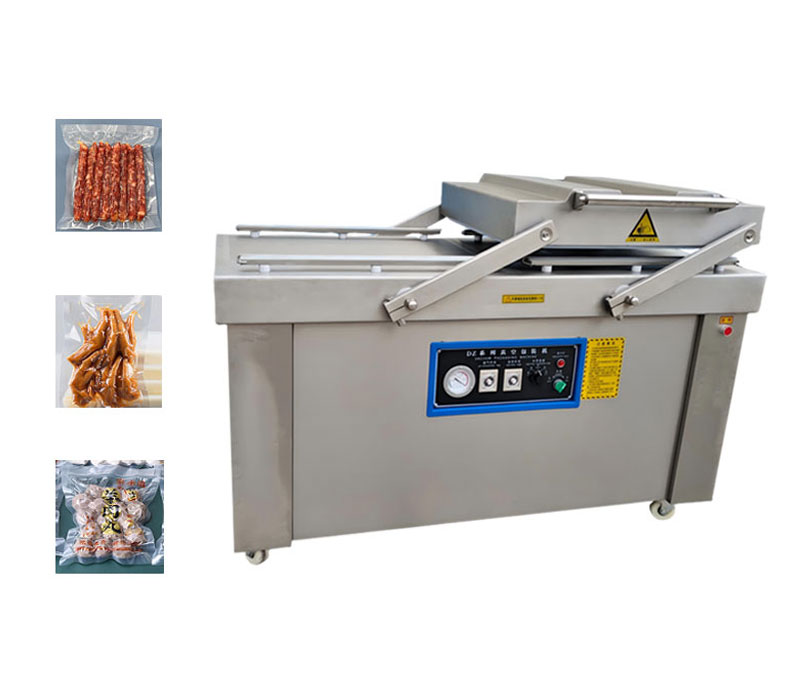
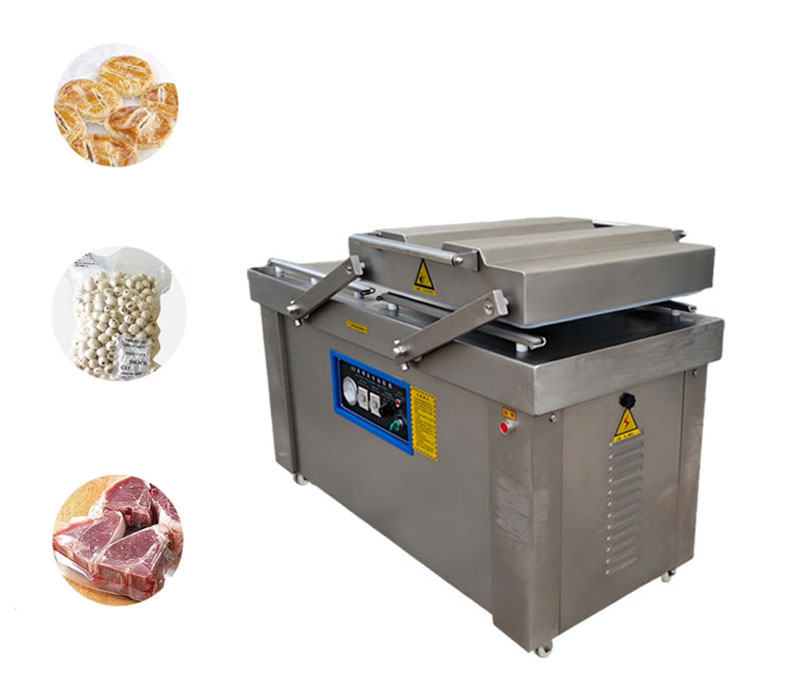
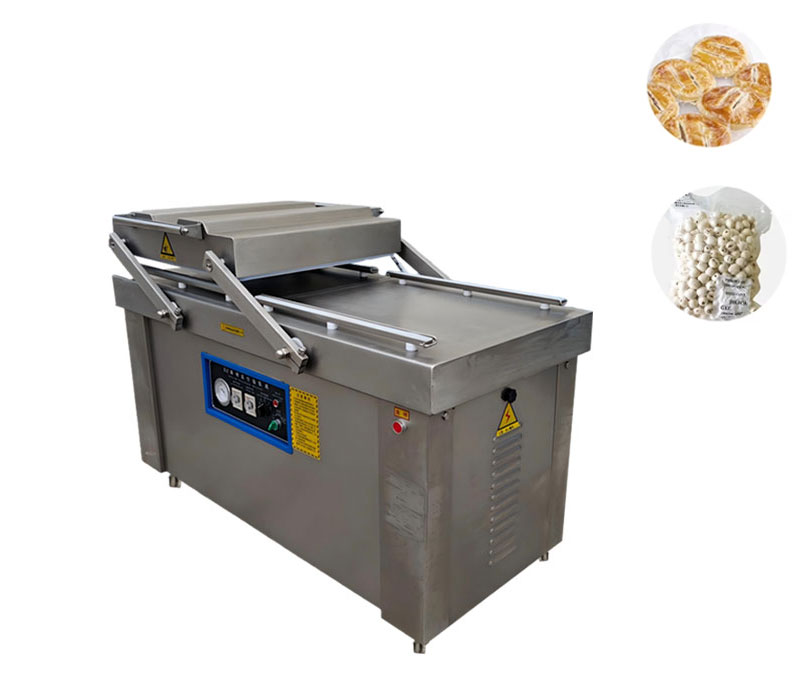
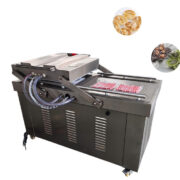
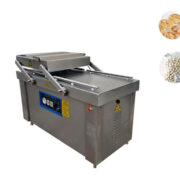
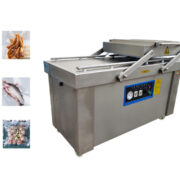
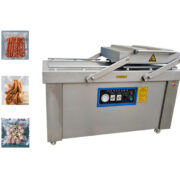
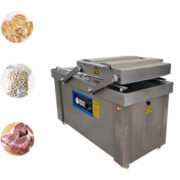
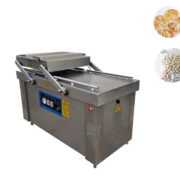
Why should I buy a chamber vacuum packing machine?A chamber vacuum packing machine extends product shelf life by efficiently removing air, preventing spoilage, mold, bacteria, and oxidation, while preserving flavor, color, and freshness. It features a user-friendly control panel with a clear display for easy operation, and a double heat seal that provides long-lasting protection. Constructed entirely from corrosion-resistant stainless steel, it is durable, easy to clean, and designed for long-term industrial use. The organized design includes organized, easy-to-replace silicone air tubing and an independent locking mechanism for quick disassembly and maintenance. It delivers excellent vacuum performance with rapid air extraction, ensuring a high-quality, aesthetically pleasing seal that extends shelf life. Advanced sealing technology and adjustable parameters enable consistent results, supported by automatic detection and alarm functions for safe, reliable operation. The machine’s high efficiency, energy-saving hot box heating, and intuitive interface reduce operating costs and downtime. Perfect for packaging food, medicines, and electronics, it guarantees a strong, attractive seal, improving storage, transportation, and presentation while reducing waste. What are the main uses of chamber vacuum packing machines in different industries?Vacuum packaging machines are highly versatile and used across many industries to protect and preserve products. Food Industry: They package meats, vegetables, fruits, seafood, dairy, spices, grains, preserved foods, and are suitable for packing whole poultry, large cuts of fresh or frozen meat, cheese blocks, sausages, ham, and seafood to extend freshness and prevent spoilage. Pharmaceutical and Chemical Industry: They safeguard medicines, chemicals, and raw materials from moisture and oxidation, ensuring stability and effectiveness. Electronics and Metal Industry: They protect electronic components, rare metals, and precision tools from rust, corrosion, and static damage. Other Applications: They are used for medical devices (for sterile packaging), textiles (to prevent mold and insects), and high-value or fragile items such as flowers, artwork, medicinal herbs, and military supplies. Vacuum packaging machines are essential for protecting a wide range of products—liquid, semi-fluid, solid, powder, or paste—against insects, moisture, mold, corrosion, and oxidation. They are crucial for preserving perishable foods, valuable materials, and delicate items, making them indispensable in many industries. How to adjust and use the fully automatic chamber vacuum packing machine?A. Preparation Before Use
Place the machine on a stable surface.
Ensure the lid closes smoothly and pops up automatically after releasing the handle.
Connect to a compatible power supply with proper grounding.
Check and adjust the oil level in the vacuum pump if needed.
Turn on the power and verify the vacuum pump operates normally. B. Setting Up the Machine
Use the digital rotary knob to set the vacuum degree (0-60 seconds).
Adjust the heating temperature based on the packaging bag material.
Set the heating time (0-6 seconds) with the digital rotary knob.
Configure characters or dates on the sealing strip if required. C. Operating the Machine
Turn on the power switch.
Open the sealing strip and place the item in the bag, leaving at least 3cm from the edge.
Lay the bag flat on the silicone strip, avoiding overlap.
Close the sealing strip to seal the bag.
Hold the handle or press the top cover and close the lid; the machine will automatically vacuum, seal, and open at the end.
Remove the sealed bag.
To stop operation, turn off and unplug the machine. D. Additional Tips for Fully Automatic Models
Adjust the speed adjustment time relay to match your workflow and chamber speed.
Use the emergency stop switch if necessary; after resolving issues, reset and resume normal operation. What are the recommended operating conditions and maintenance practices to ensure the machine’s optimal performance and longevity?The machine should be operated in an environment with temperatures between -10 degree and 60 degree, and relative humidity not exceeding 85%. Keep the surrounding air free of corrosive gases, powders, and explosive materials. Regular maintenance includes checking the vacuum pump oil level and topping up with No. 0 or No. 10 vacuum pump oil to keep it at half to three-quarters of the oil window. Replace the oil immediately if it becomes black, white, contaminated with water droplets, or viscosity increases, typically every 2-3 months during continuous use. For models with a water removal device, drain the water periodically from the rear drain pipe based on moisture content, then replace the pipe plug; usually, the moisture decomposes automatically and does not require frequent discharge. What are the recommended maintenance procedures for the packaging machine to ensure safe and efficient operation?Regular maintenance of the packaging machine is essential for safety, performance, and longevity. Key procedures include: Replacement of Vulnerable Parts:
Airbag Replacement: Unscrew the spring seat, remove the spring and heating strip along with the partition, replace with a functional airbag, then realign the partition with the guide post, install the spring, and tighten the spring seat. Nickel-Chromium Strip Replacement:
Remove the heating wire and loosen securing pins or bolts, take out the heating strip and insulation plate, replace the strip, apply the outer insulation, and reassemble by connecting the heating wire and partition. Oil Change:
Run the pump for 15-30 minutes to warm the oil, then stop and drain completely by opening the drain plug. Refill with new pump oil to the specified level. Repeat if the oil is heavily contaminated to ensure thorough cleaning. Solenoid Valve Maintenance:
Remove and clean the solenoid valve every 2-3 months by immersing key parts in 90# gasoline, then reassemble with a small amount of lubricant on the iron core. Conduct power-on tests to confirm proper operation and eliminate abnormal noises. Lubrication:
After approximately 15 days of continuous operation, apply machine oil to the connection points between the upper and lower working platforms, including the mating surfaces of the rocker arm and support shaft.
Cleaning and Sealing Surfaces: Keep the working chamber clean, especially the heat-sealing strip and silicone strip surfaces. Prevent foreign matter from adhering to maintain sealing quality and extend service life.
Handling and Transportation: Do not tilt or place the machine upside down during operation or transport. Avoid impacts and collisions, particularly to instruments and switches, to prevent damage.
Electrical Safety: Only qualified professionals should disassemble or repair electrical components to prevent accidents and ensure safety.
Adhering to these maintenance guidelines will help sustain the machine’s optimal performance, safety, and durability. What should I do if my chamber vacuum packing machine experiences power, vacuum, heating, sealing, or other operational faults?The troubleshooting guide for common issues includes the following solutions: Power Supply Issues:
Power Indicator Not Working: Check and replace the power switch or indicator light if there’s poor contact or damage. Tripping or Frequent Fuse Blowing:
Replace blown fuses, ensure the AC contactor contacts are intact, and check for issues like high oil viscosity, incorrect motor rotation, or short circuits. Adjust the phase connection if needed and clean filters. Vacuum System Faults:
Low Vacuum: Inspect and repair all pipe joints for leaks, replace the vacuum gauge if faulty, and adjust the interface gap. Vacuum Level Not as Set:
Ensure the chamber lid seals properly, check the air path and solenoid valve, and verify the motor’s rotation direction. Continuous Vacuum Increase:
Repair or replace the AC contactor or time relay if they malfunction.
Air Leakage: Replace aging pipes, seals, or the vacuum gauge; repair or replace the solenoid valve, vacuum pump, or air bladder as needed. Pump Re-starts After Opening Cover:
Adjust the micro-switch toggle position. Heating System Malfunctions:
No Heating: Check and replace blown fuses, ensure proper power connection, verify voltage, and inspect the heating transformer and circuit for shorts. Heating Does Not Stop: Replace or repair the time relay, intermediate relay, or potentiometer controlling the heating duration. Sealing System Problems:
Sealing Not Pressurized: Repair or replace the solenoid valve, wiring, or airbag.
Uneven Sealing: Correct the heating strip and rubber strip alignment, adjust heating parameters, and repair vent valves. Sealing System Problems: - No Venting: Repair or replace the vent valve, or fix wiring and relay issues.
- Excessive Noise: Lubricate motor bearings, repair or replace the AC contactor, or change the vacuum pump oil.
- Top Cover Only Working on One Side: Adjust the position of the sensor switch.
Regular inspection and maintenance following these troubleshooting steps will help keep your chamber vacuum packing machine operating smoothly and efficiently. | |

Leave a Reply